
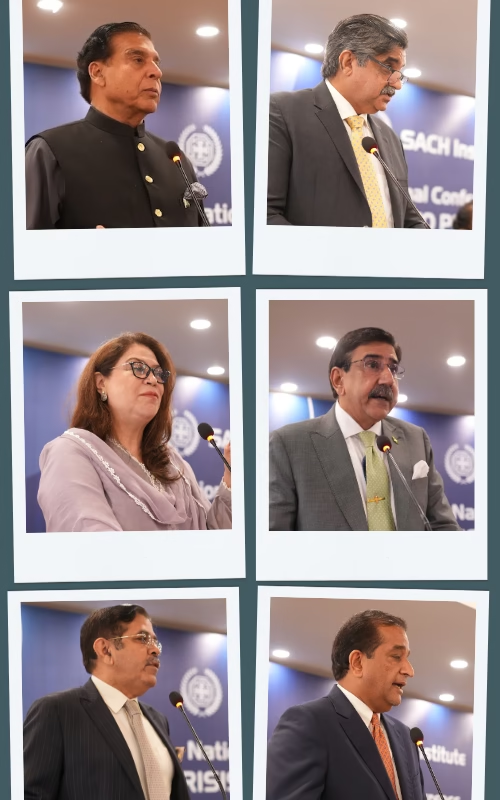
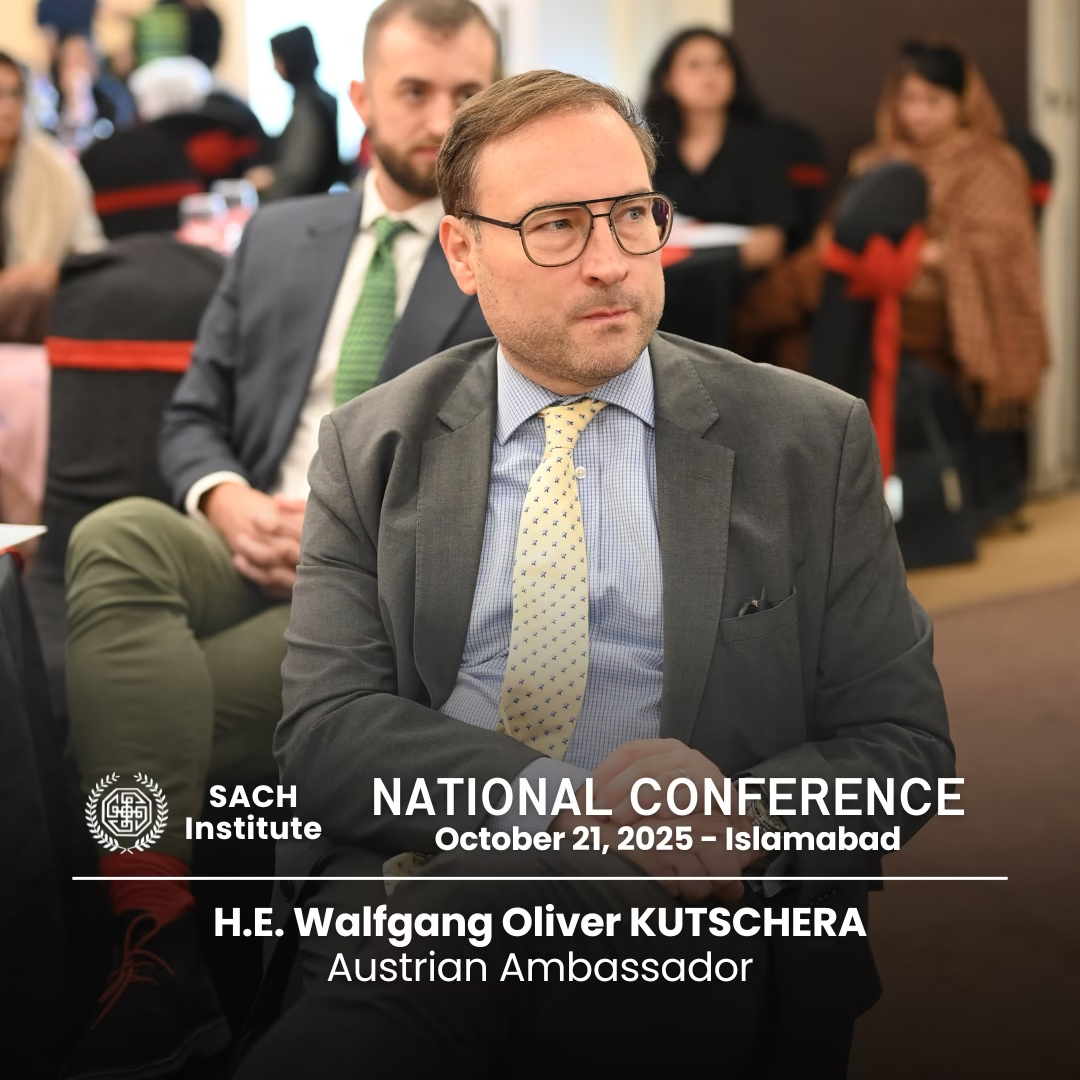
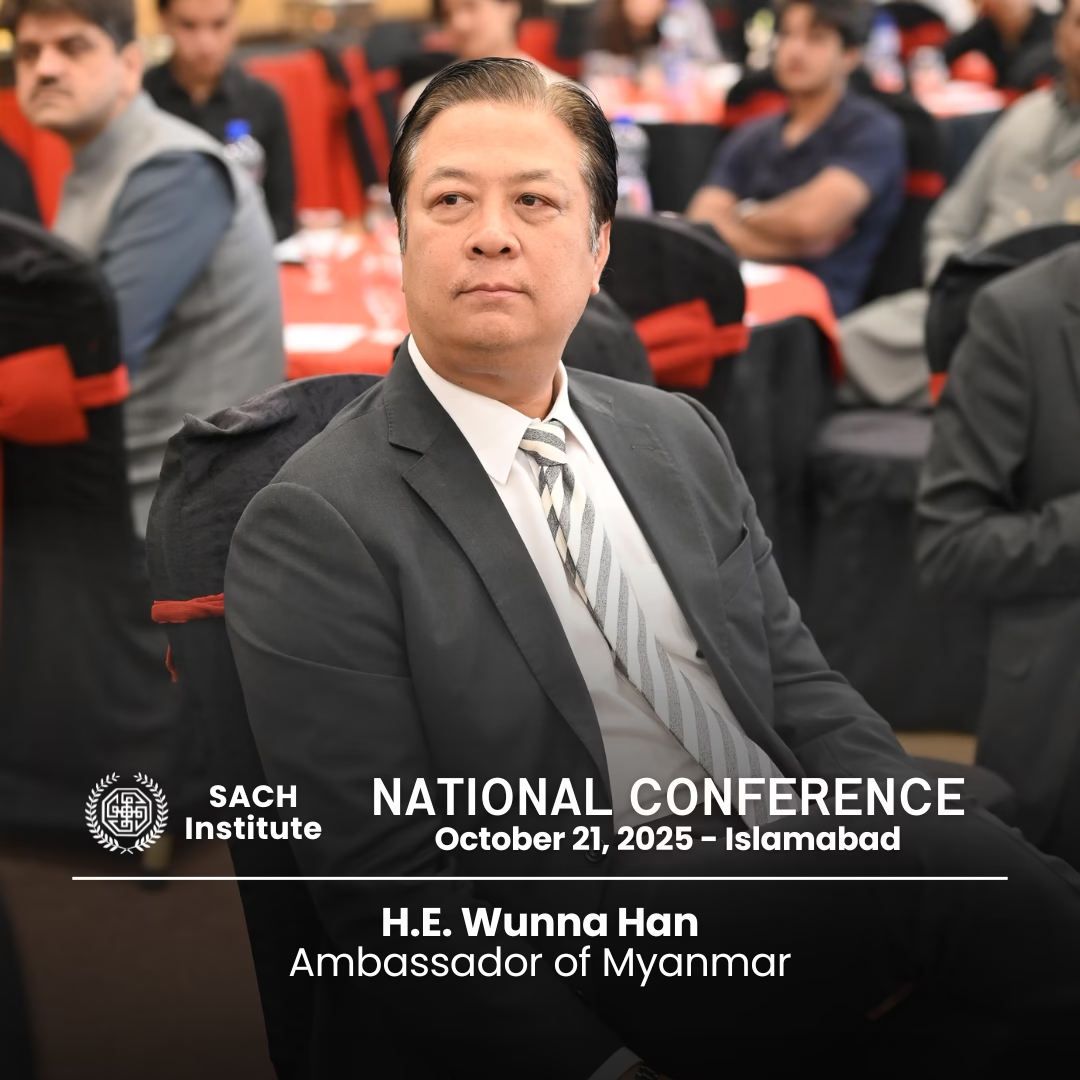
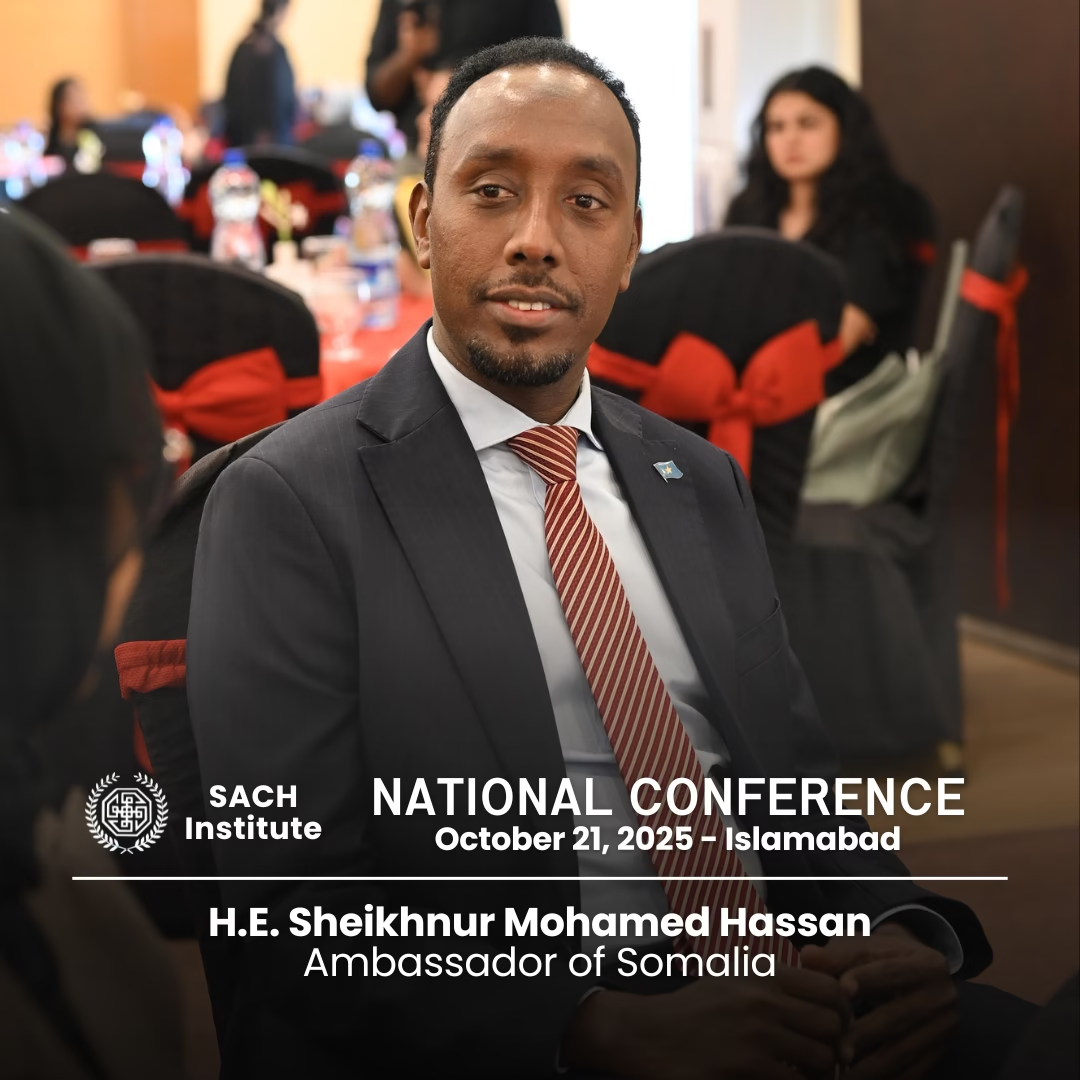



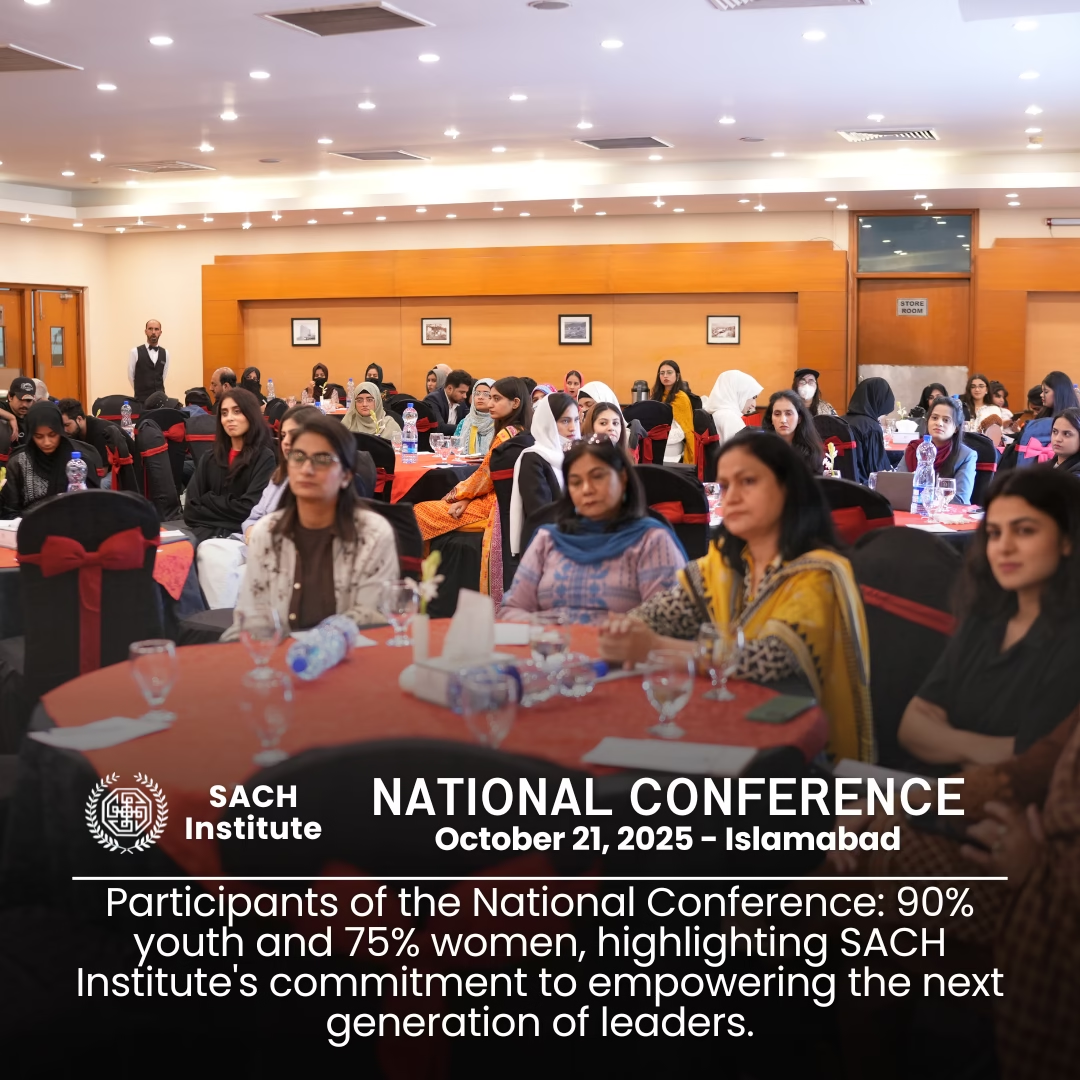
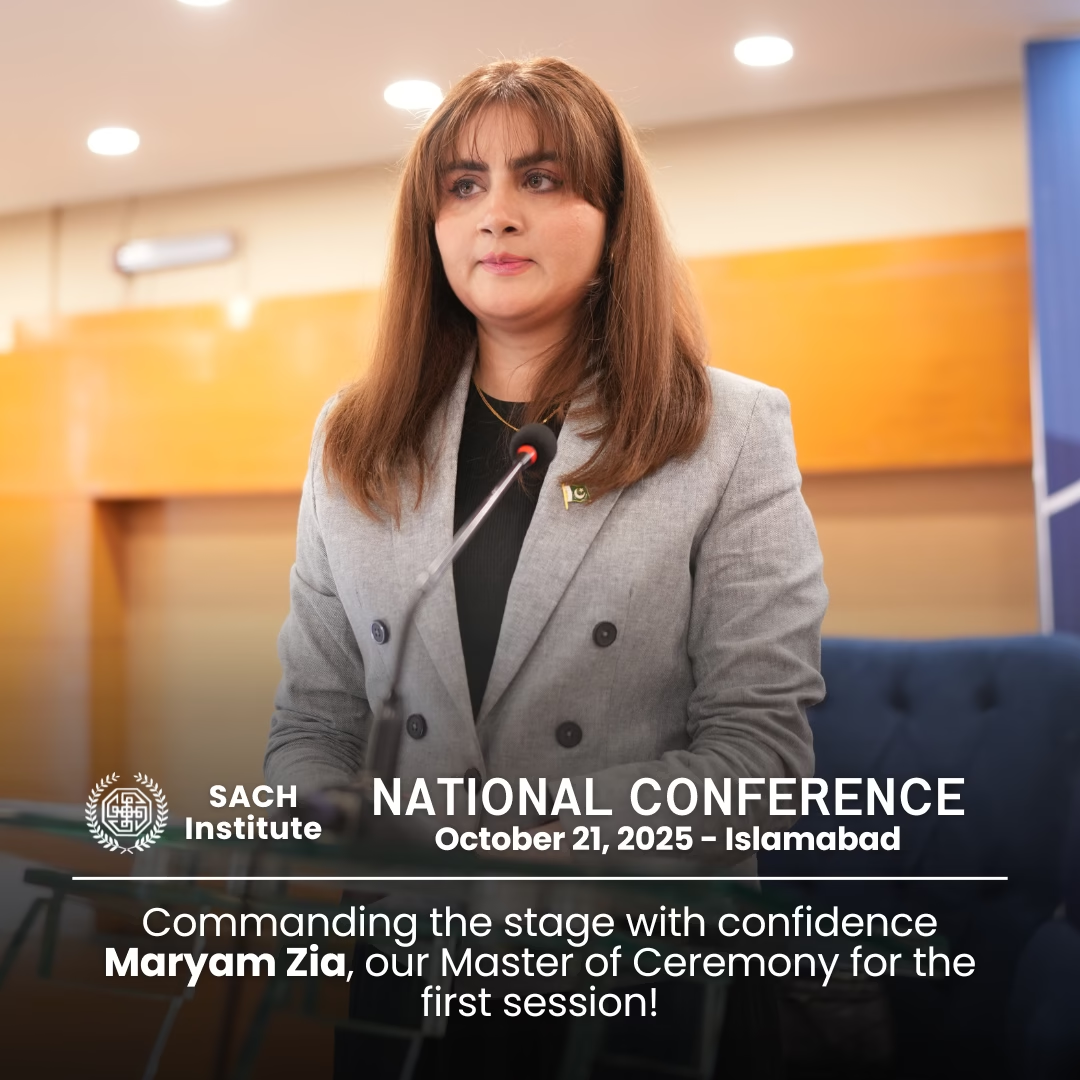
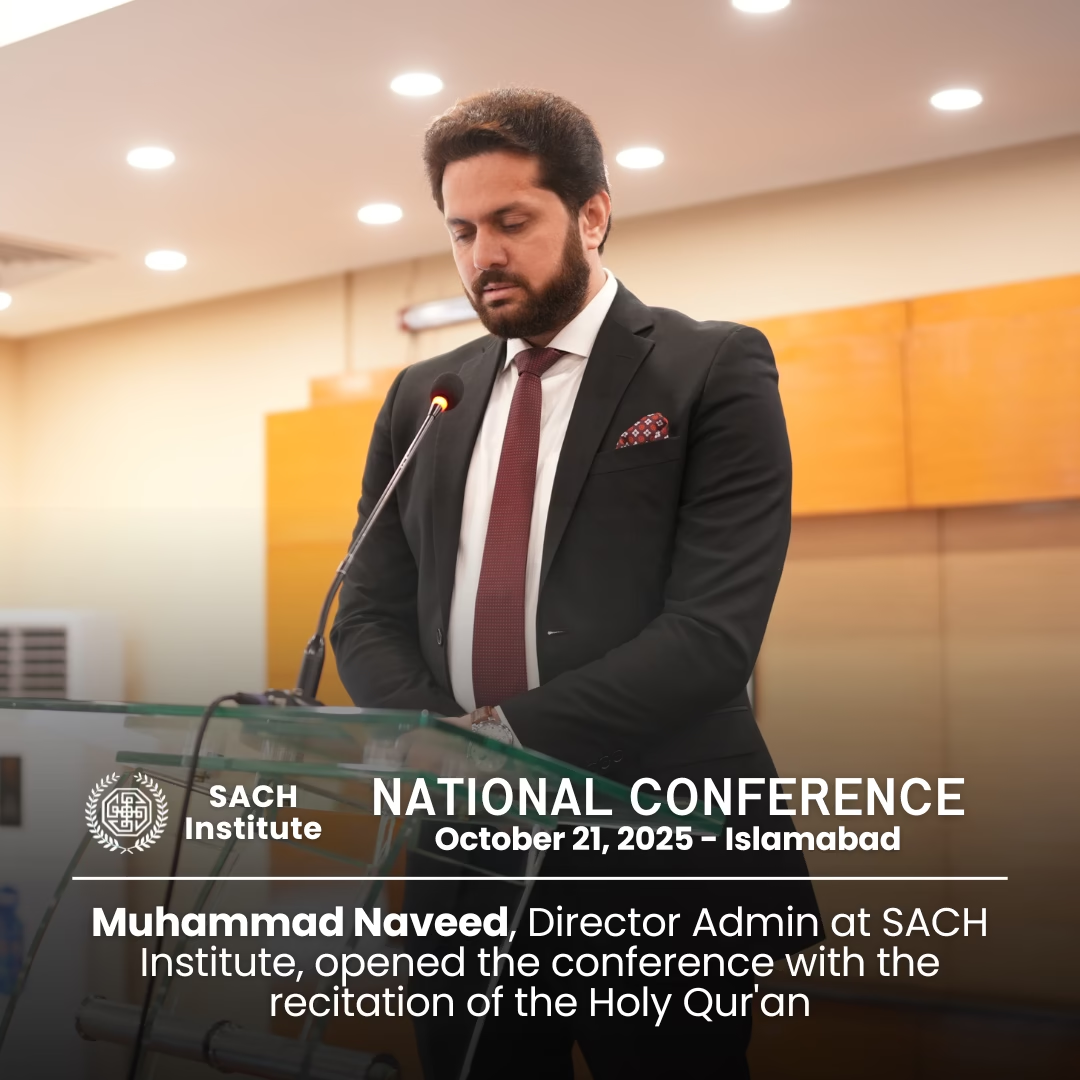

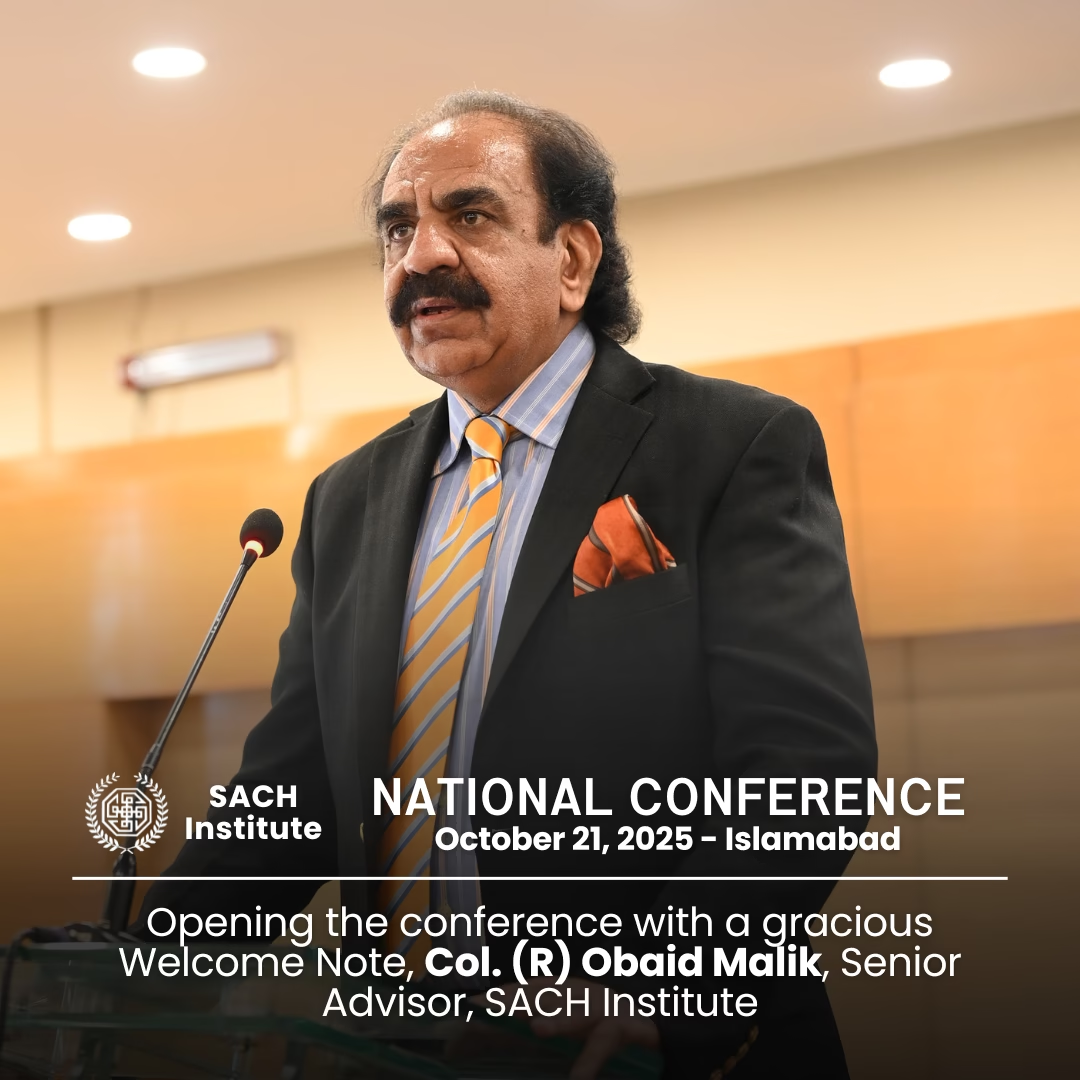















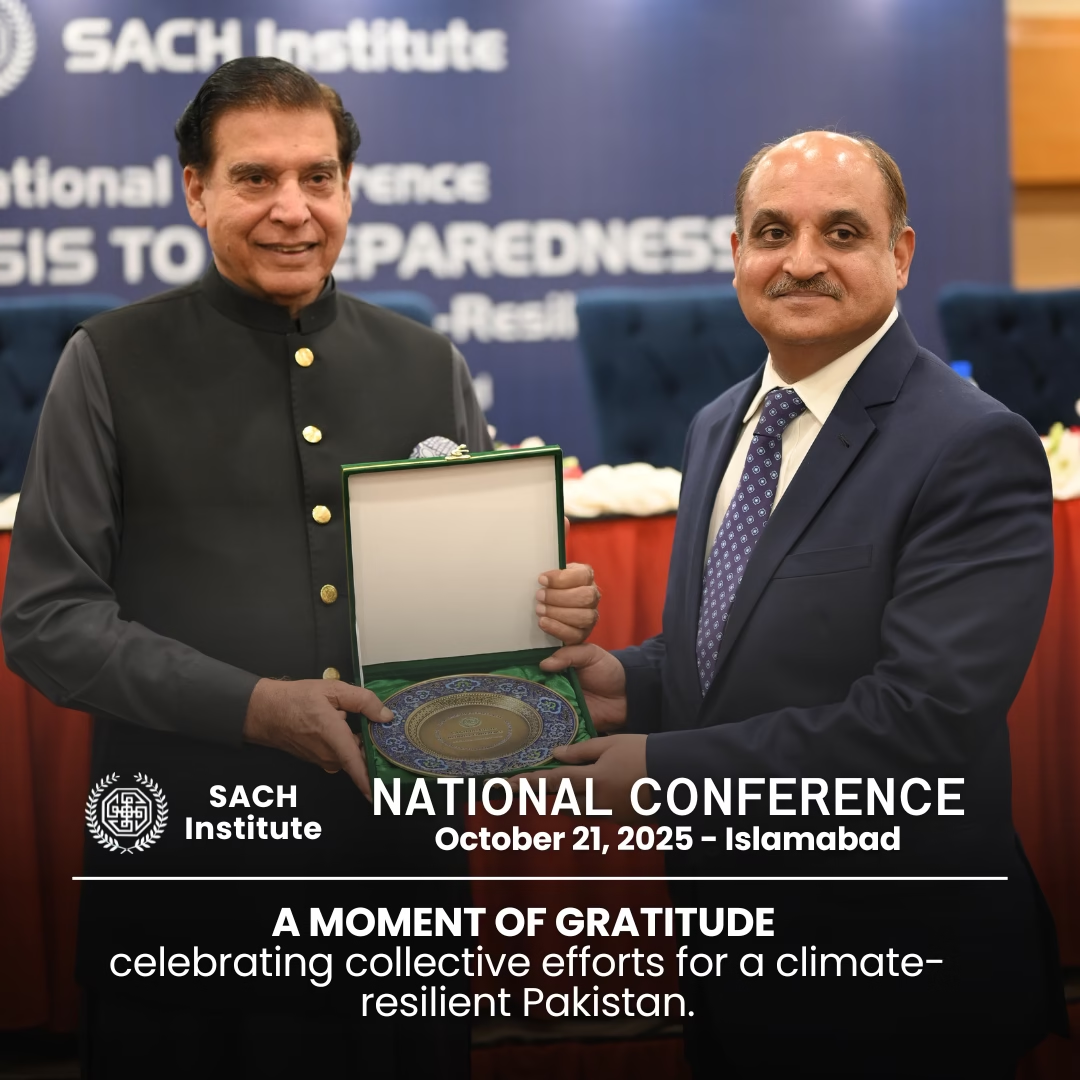
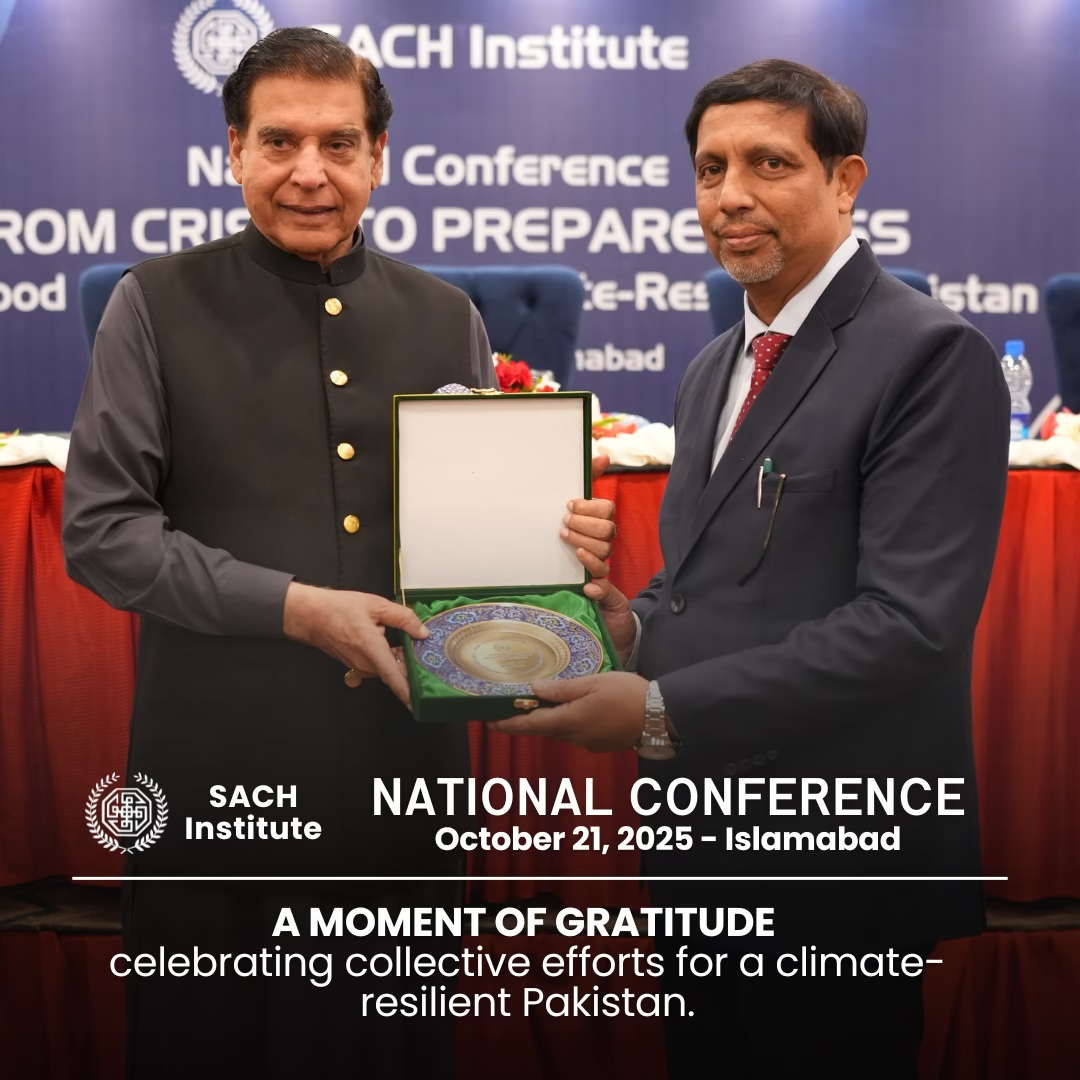
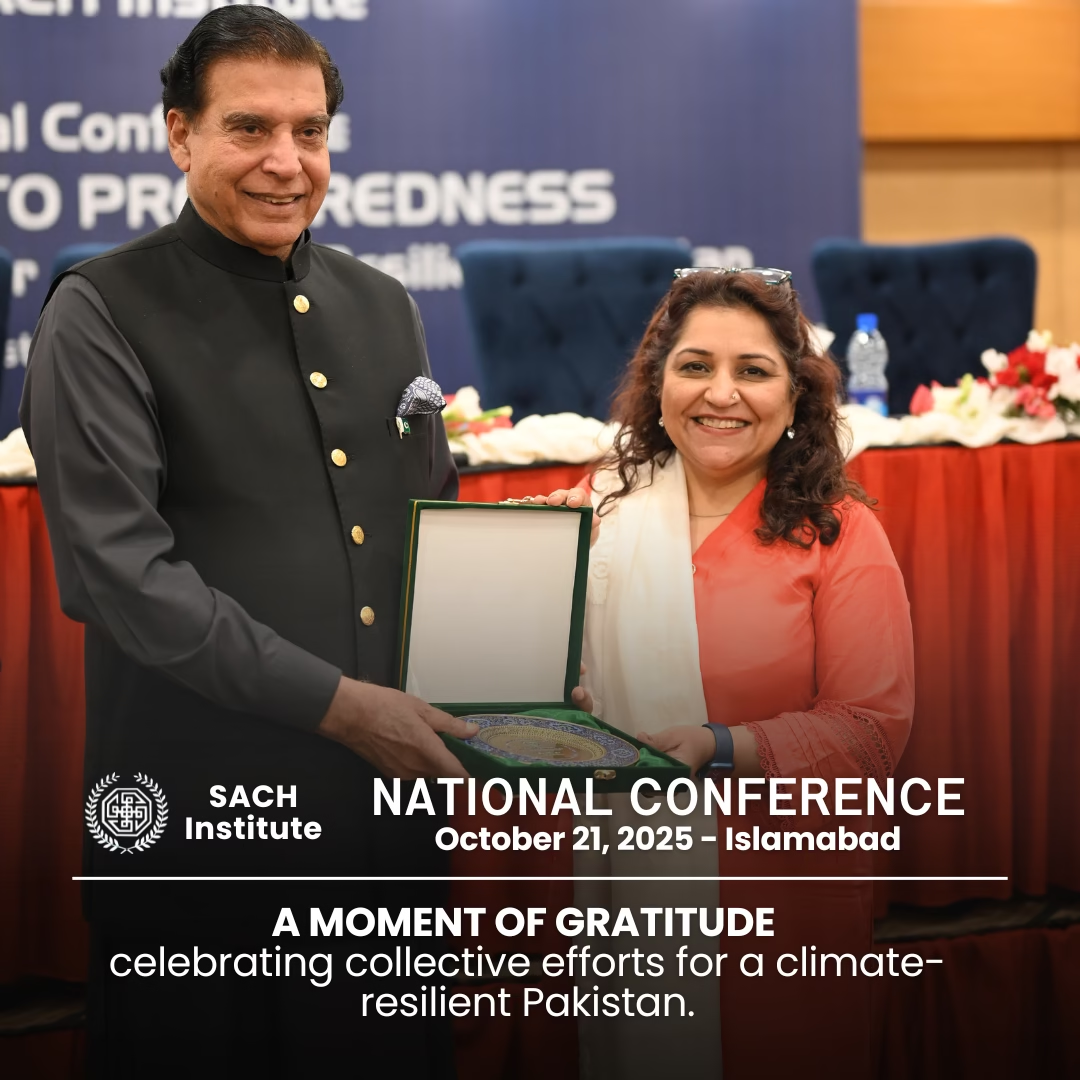
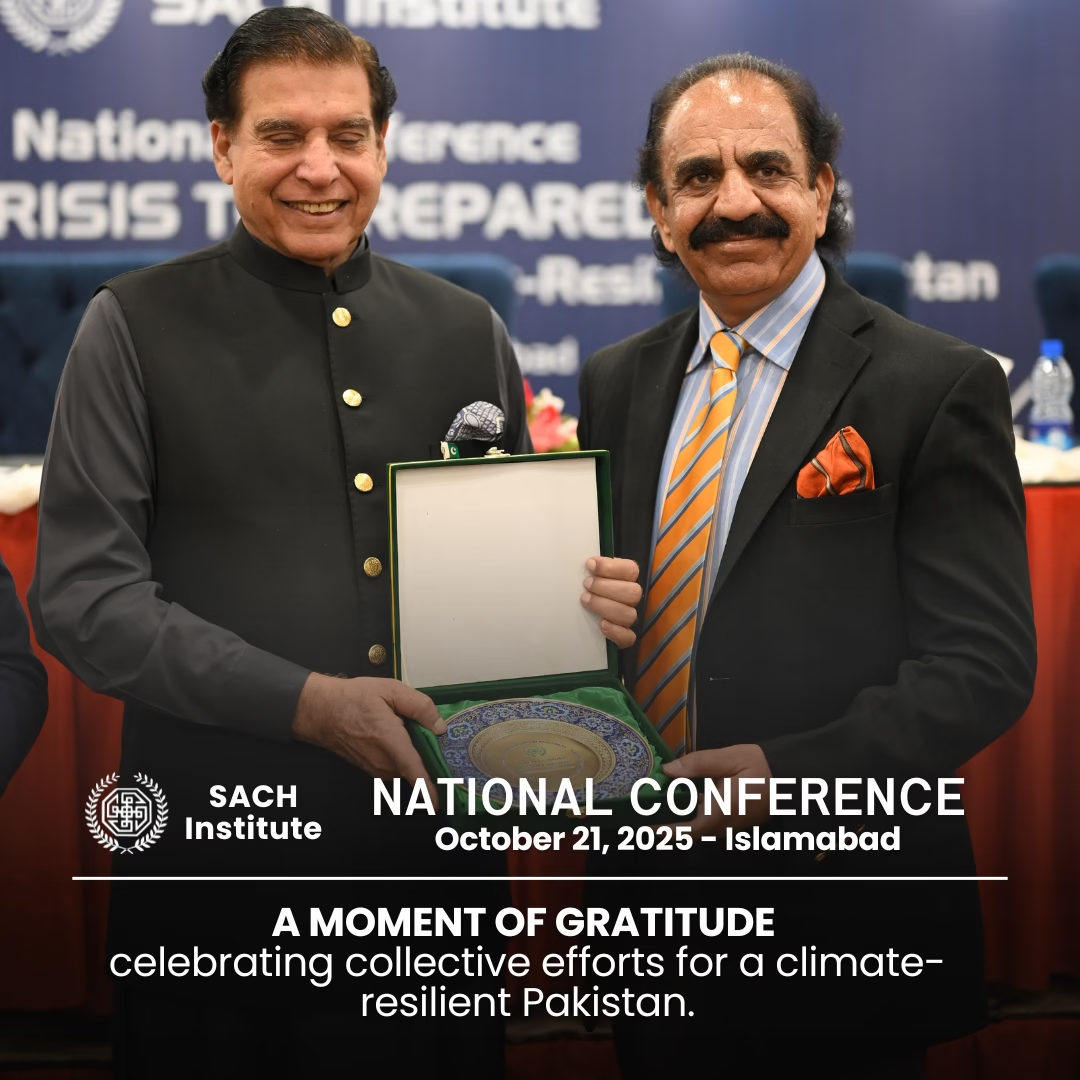

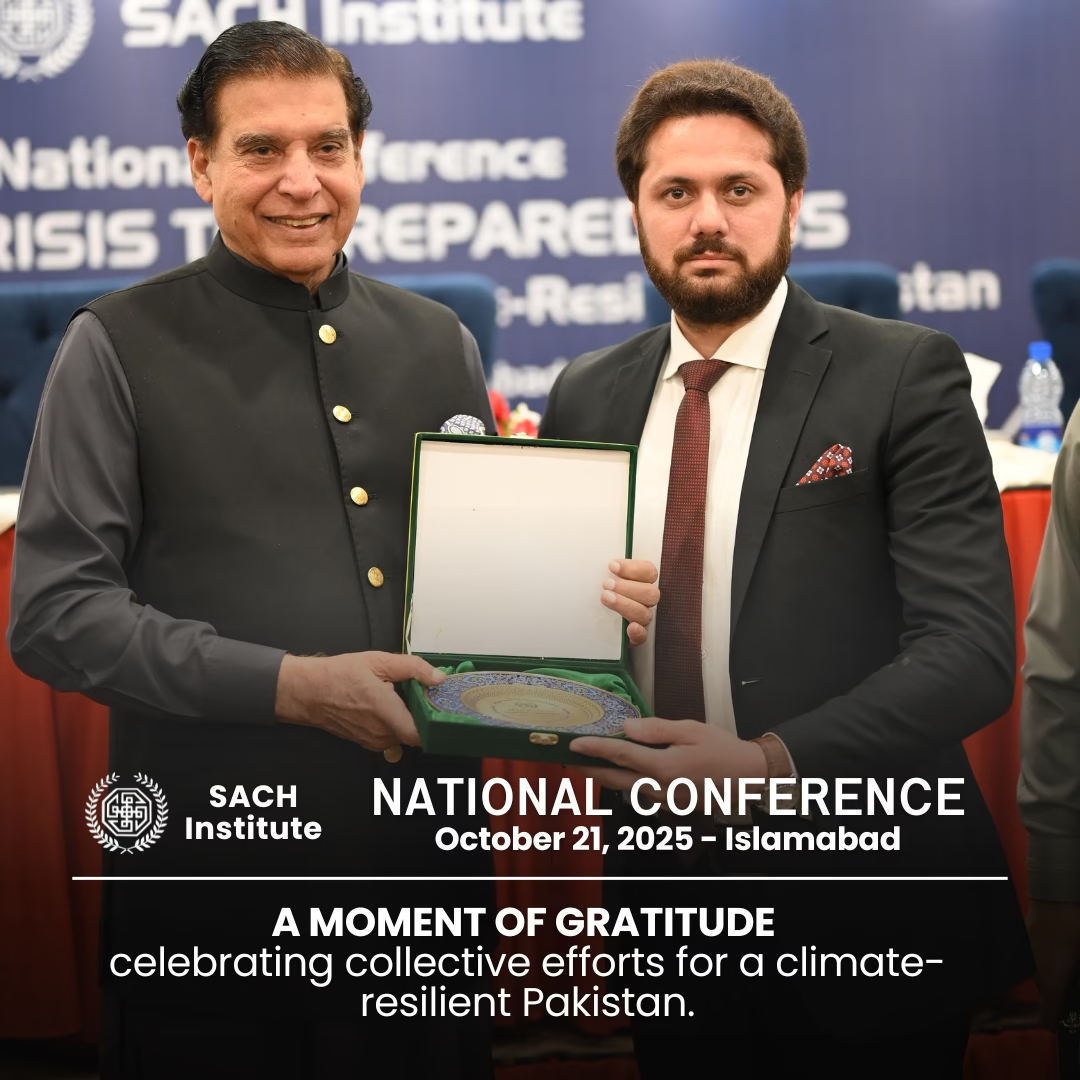


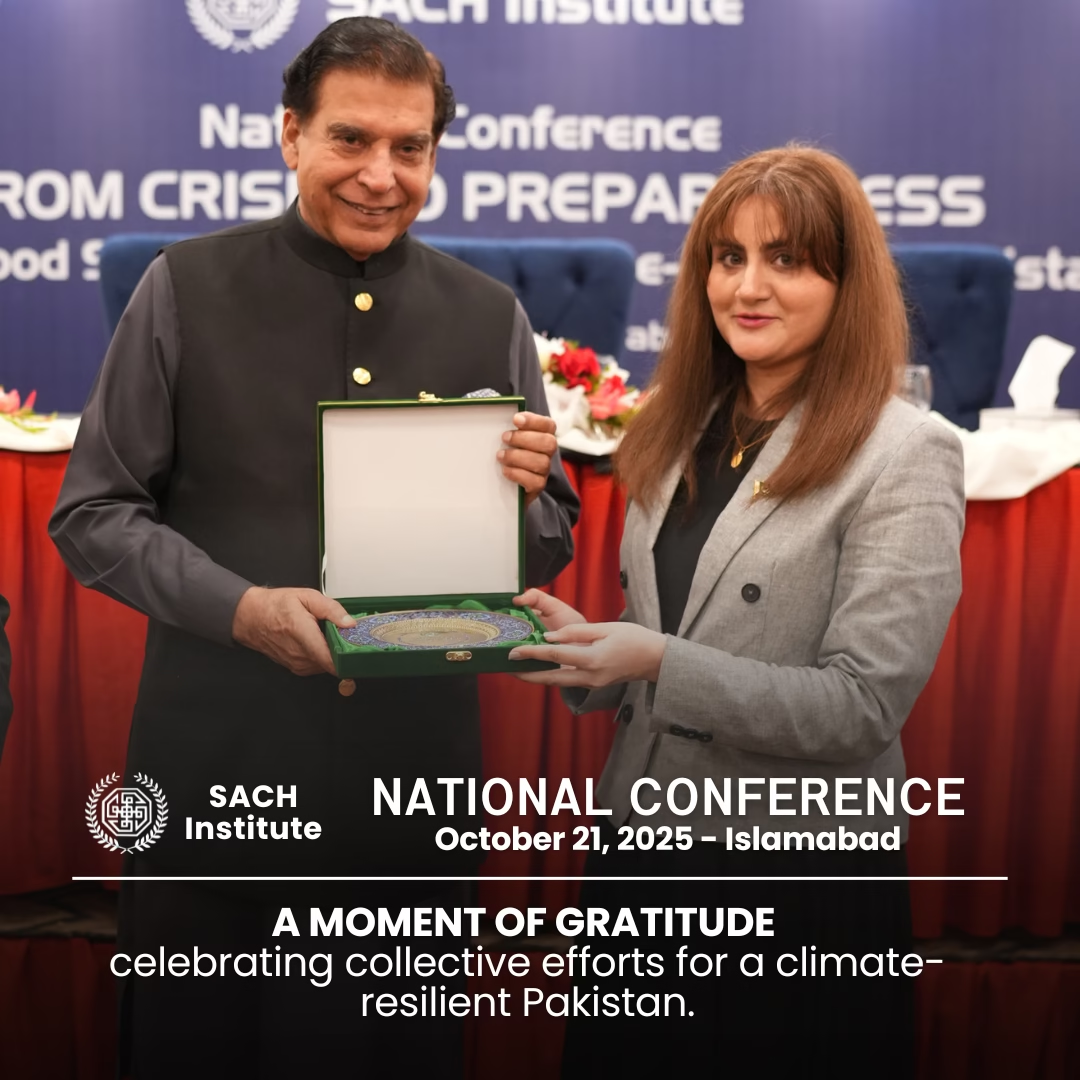

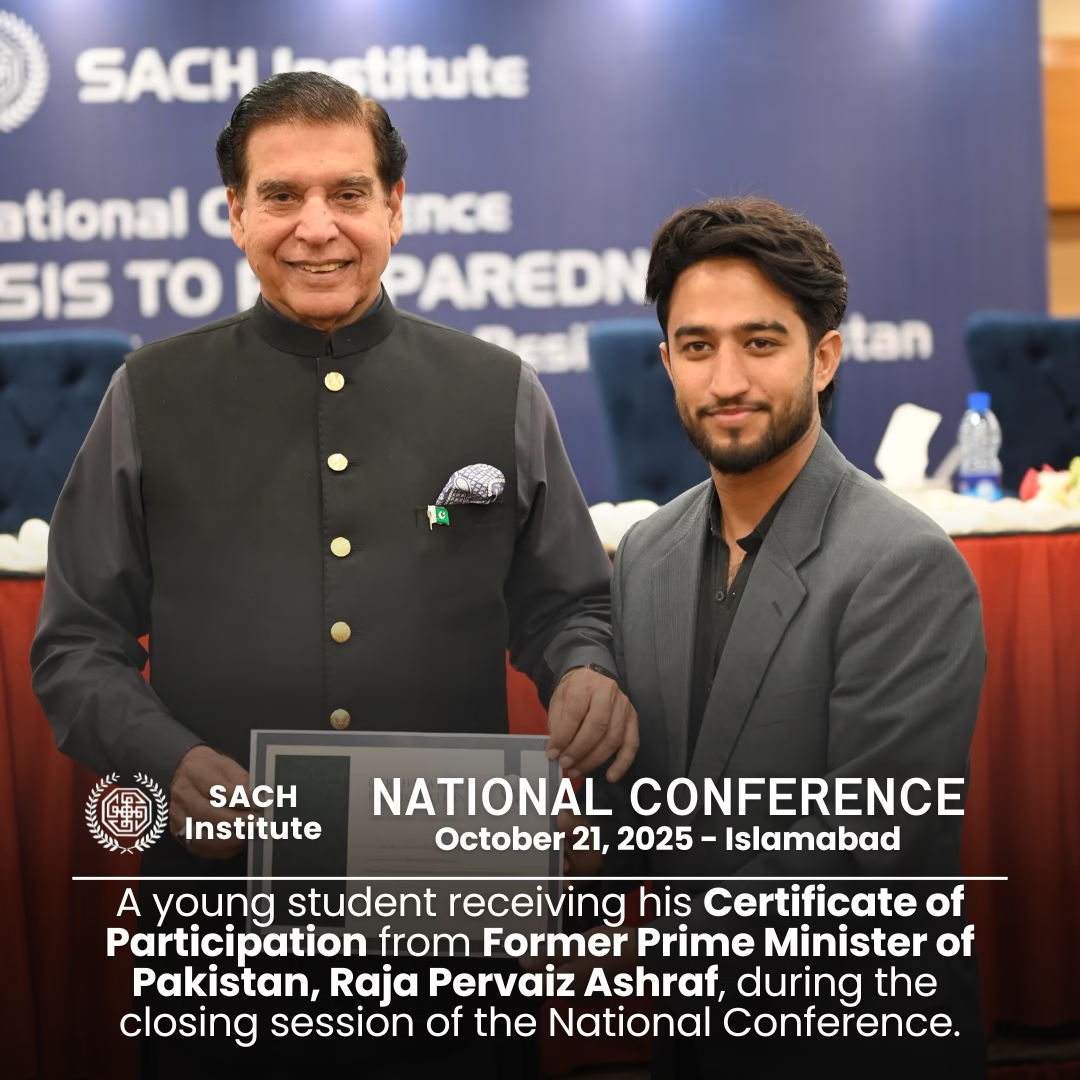

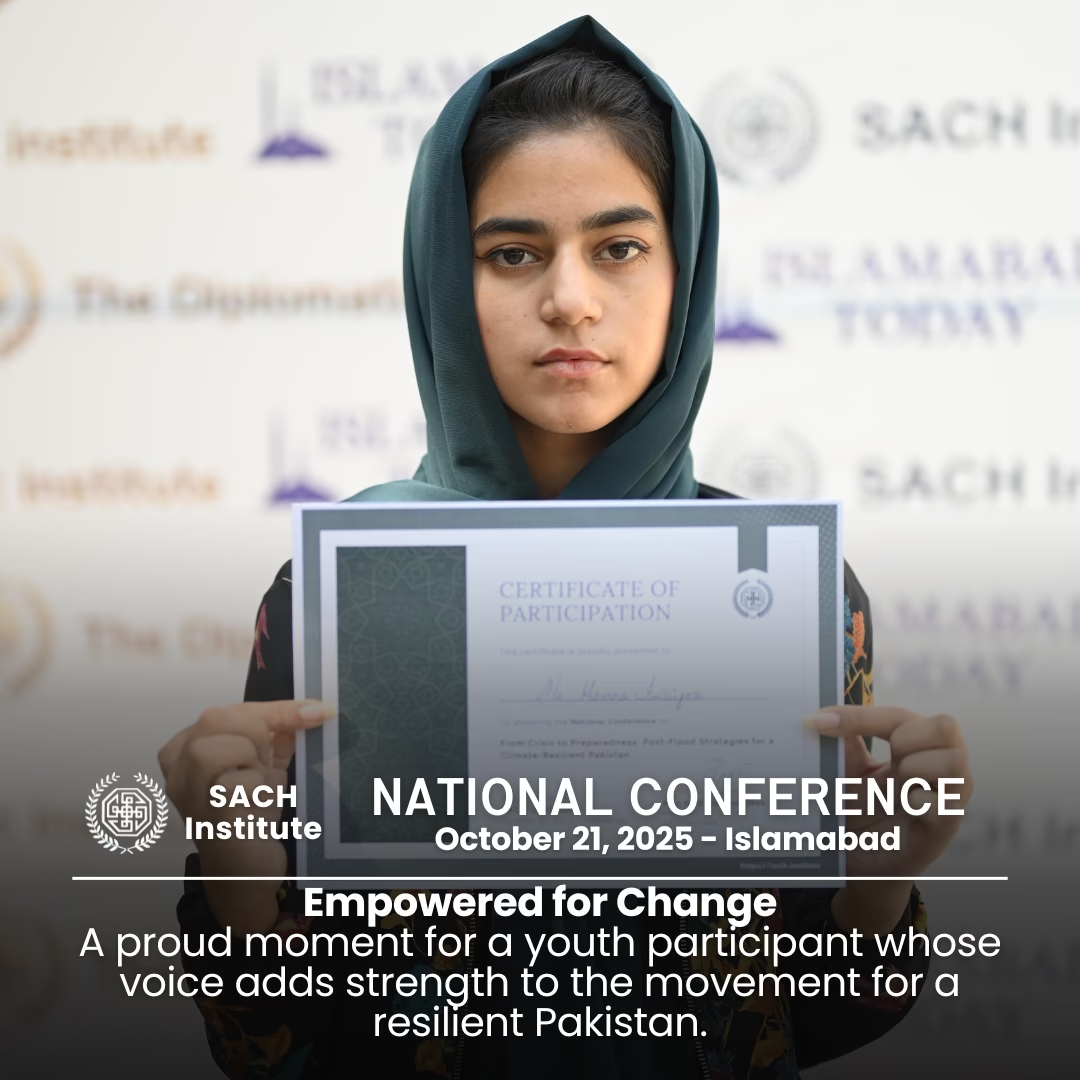
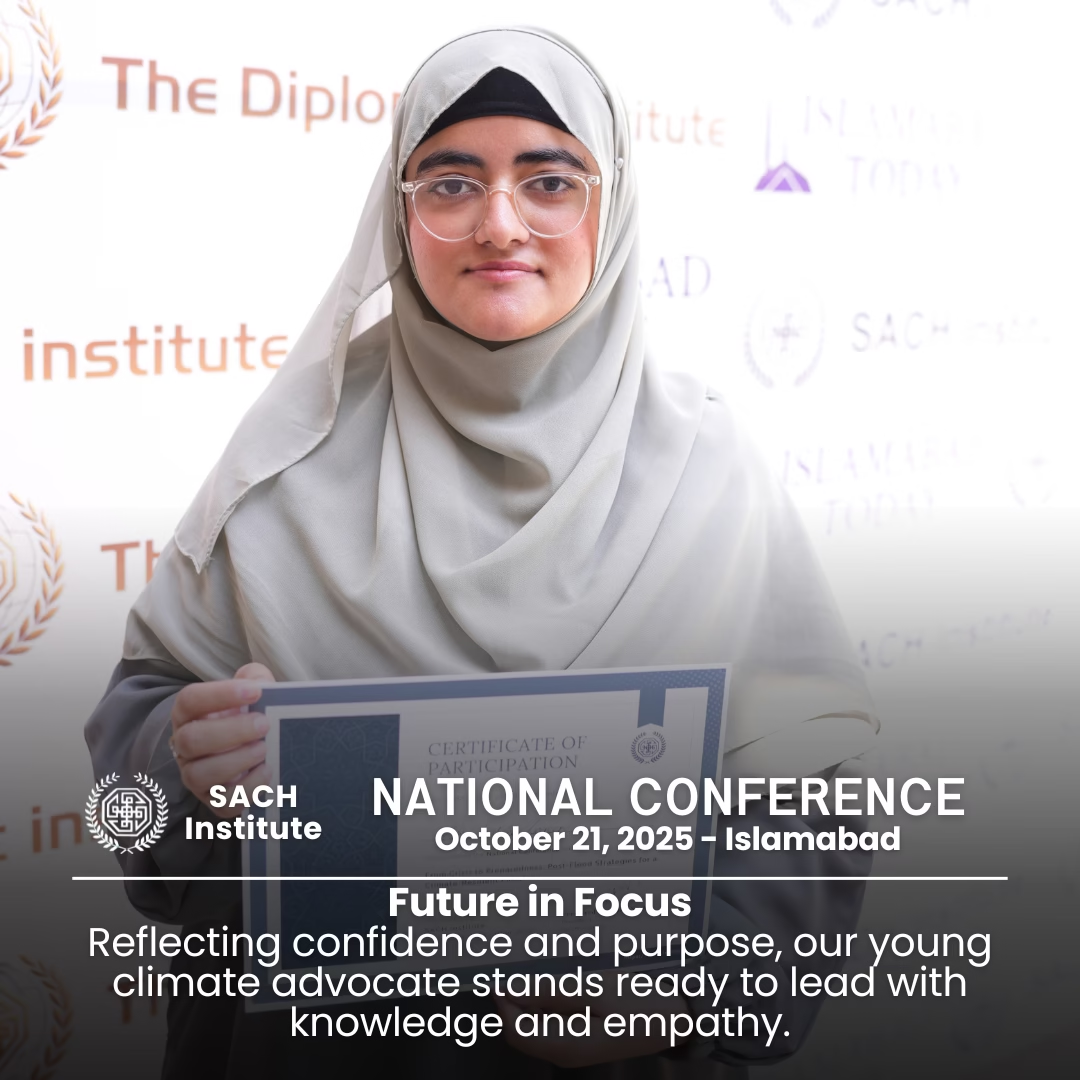
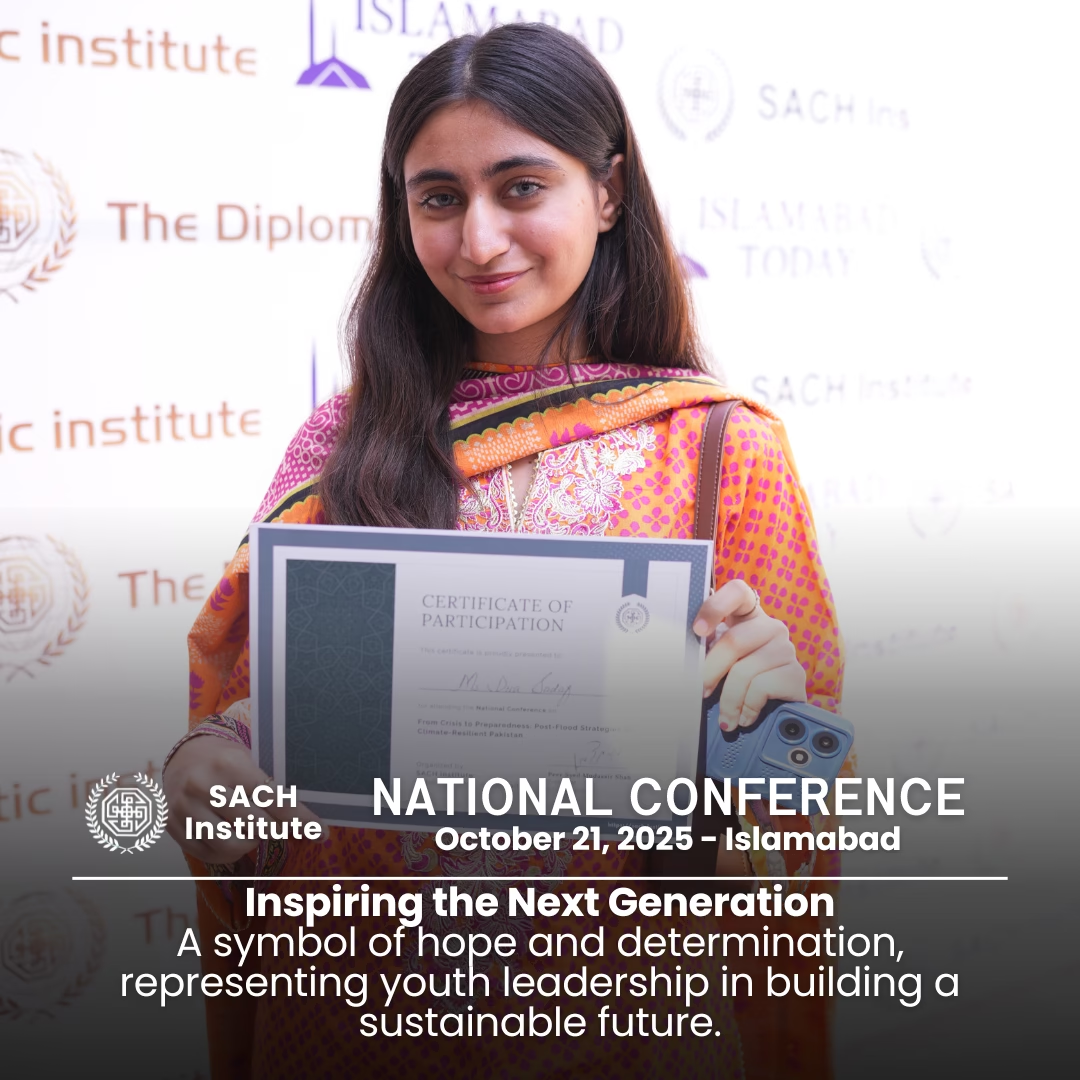
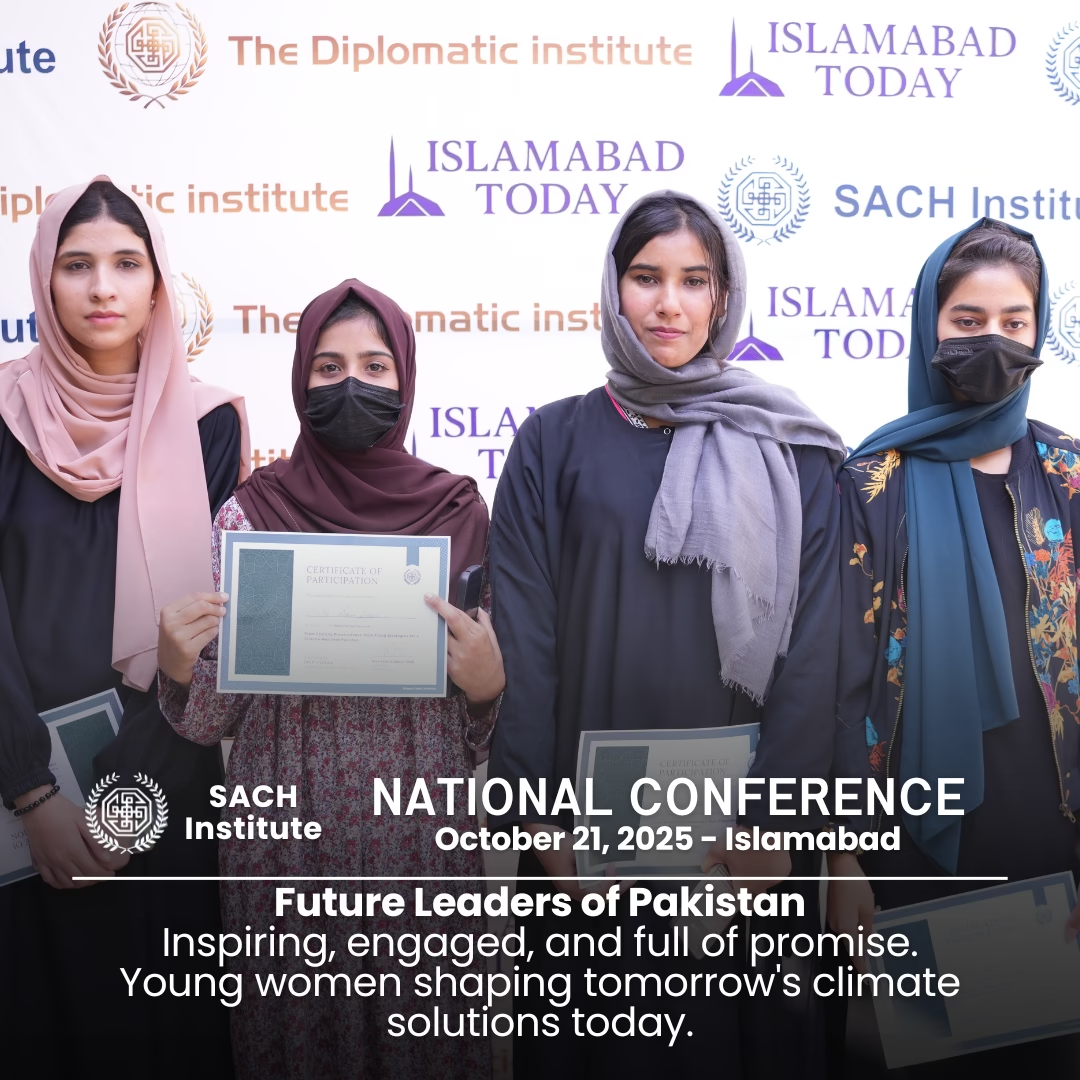
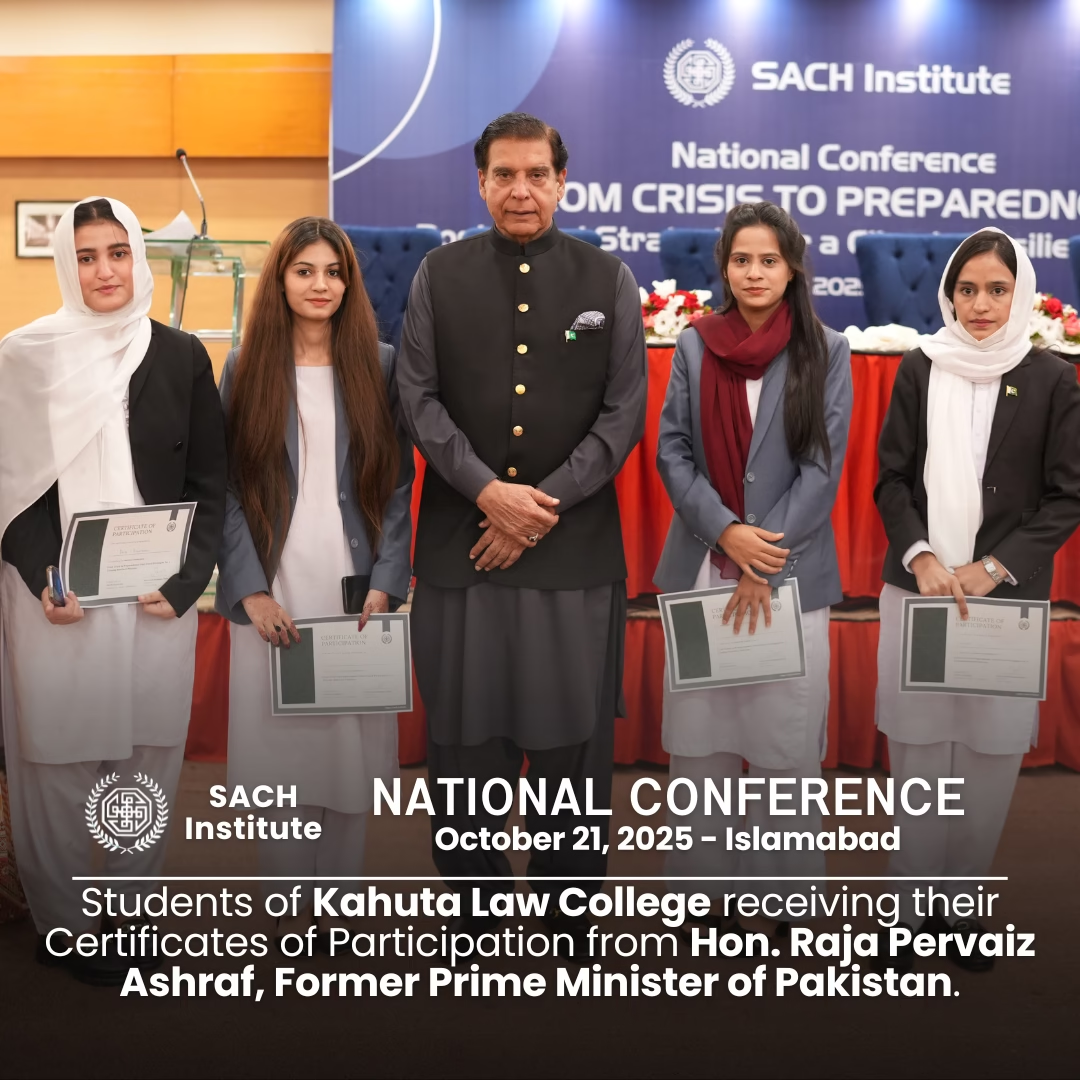
The Sufism, Arts, Culture, and Heritage (SACH) Institute successfully organized the National Conference on “From Crisis to Preparedness: Post-Flood Strategies for a Climate-Resilient Pakistan”, bringing together distinguished policymakers, scholars, diplomats, and experts to chart a forward-looking roadmap for Pakistan’s climate resilience and disaster preparedness.
Held at the Islamabad Club, the conference served as a platform for policy dialogue, strategic reflection, and interdisciplinary collaboration — uniting voices from governance, academia, the military, development institutions, and civil society.
The conference began with insightful deliberations on Pakistan’s vulnerability to climate-induced disasters and the importance of institutional preparedness.
Speakers included:
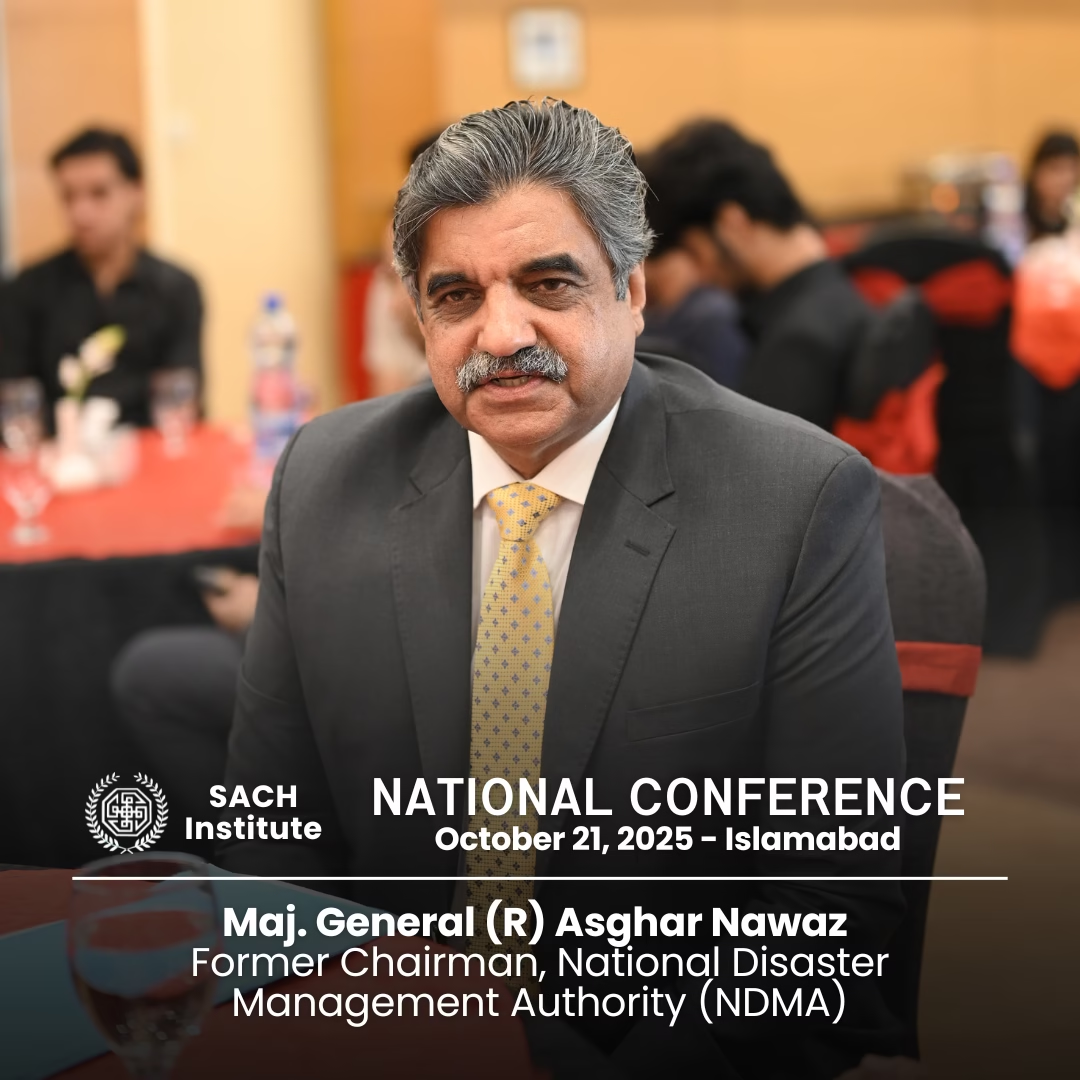
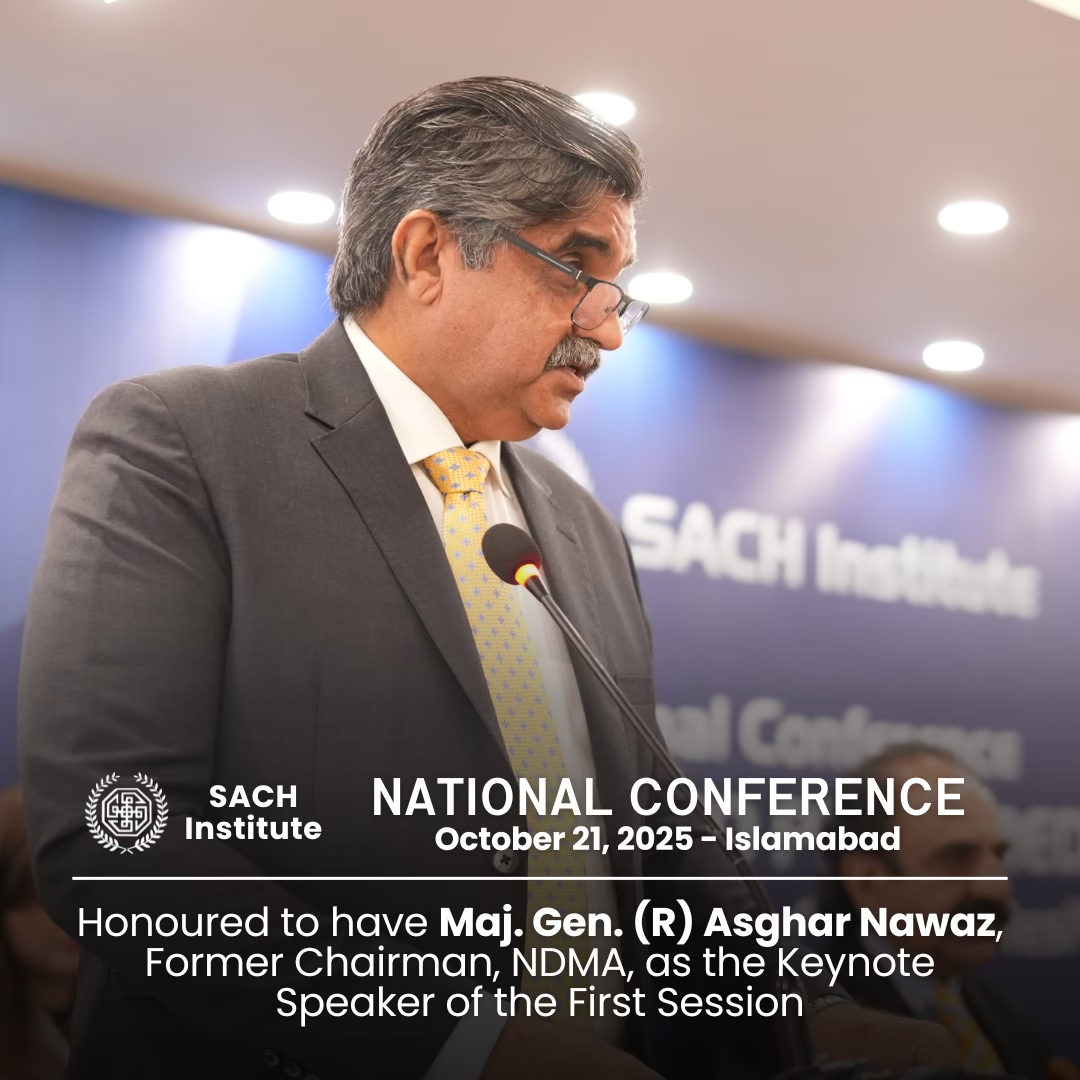
Maj. General (R) Aasghar Nawaz, Former Chairman, National Disaster Management Authority (NDMA)
In his keynote address, he stressed the need for transitioning from reactive disaster response models to proactive, anticipatory governance frameworks.
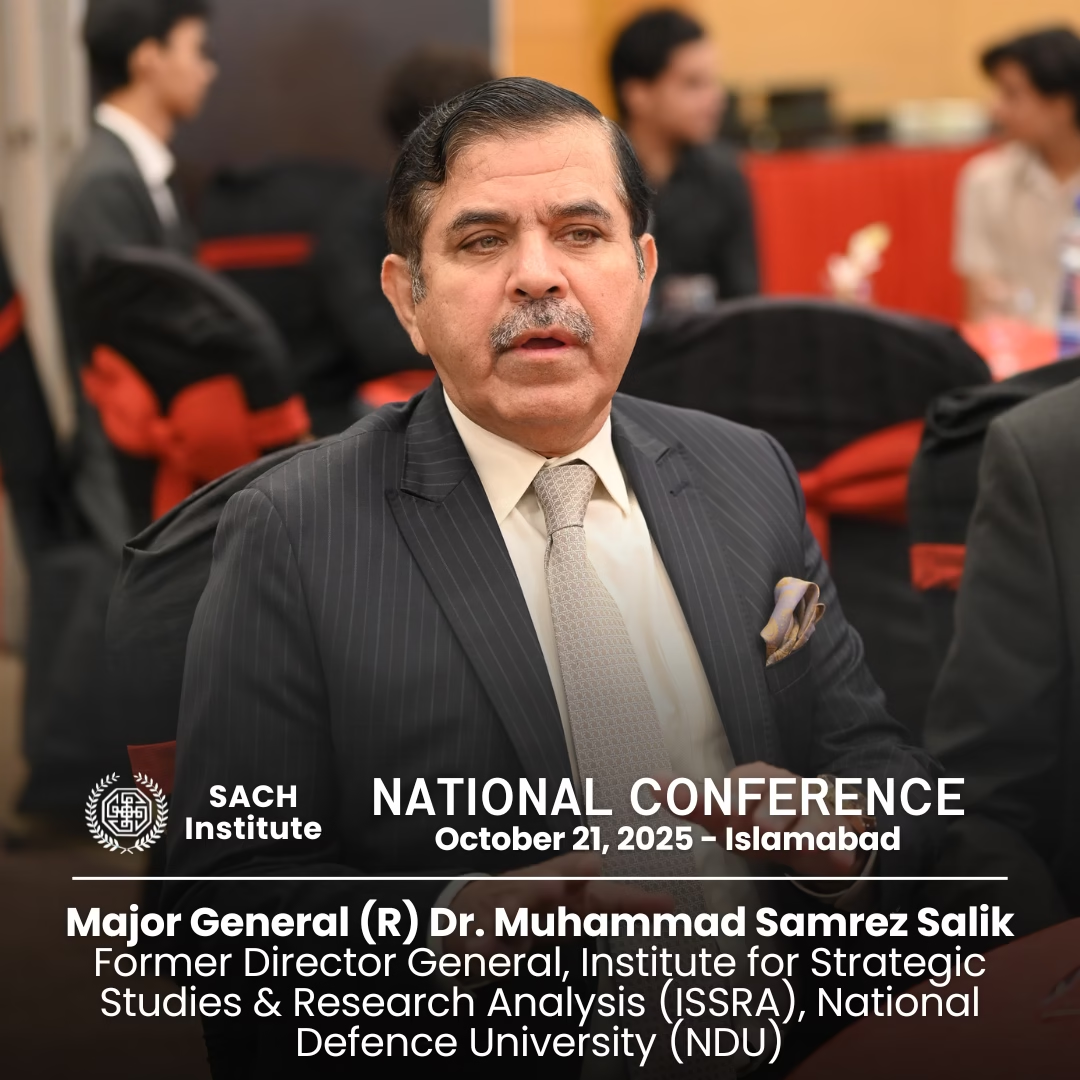
Major General (R) Dr. Muhammad Samrez Salik, Former Director General, Institute for Strategic Studies & Research Analysis (ISSRA), National Defence University (NDU)
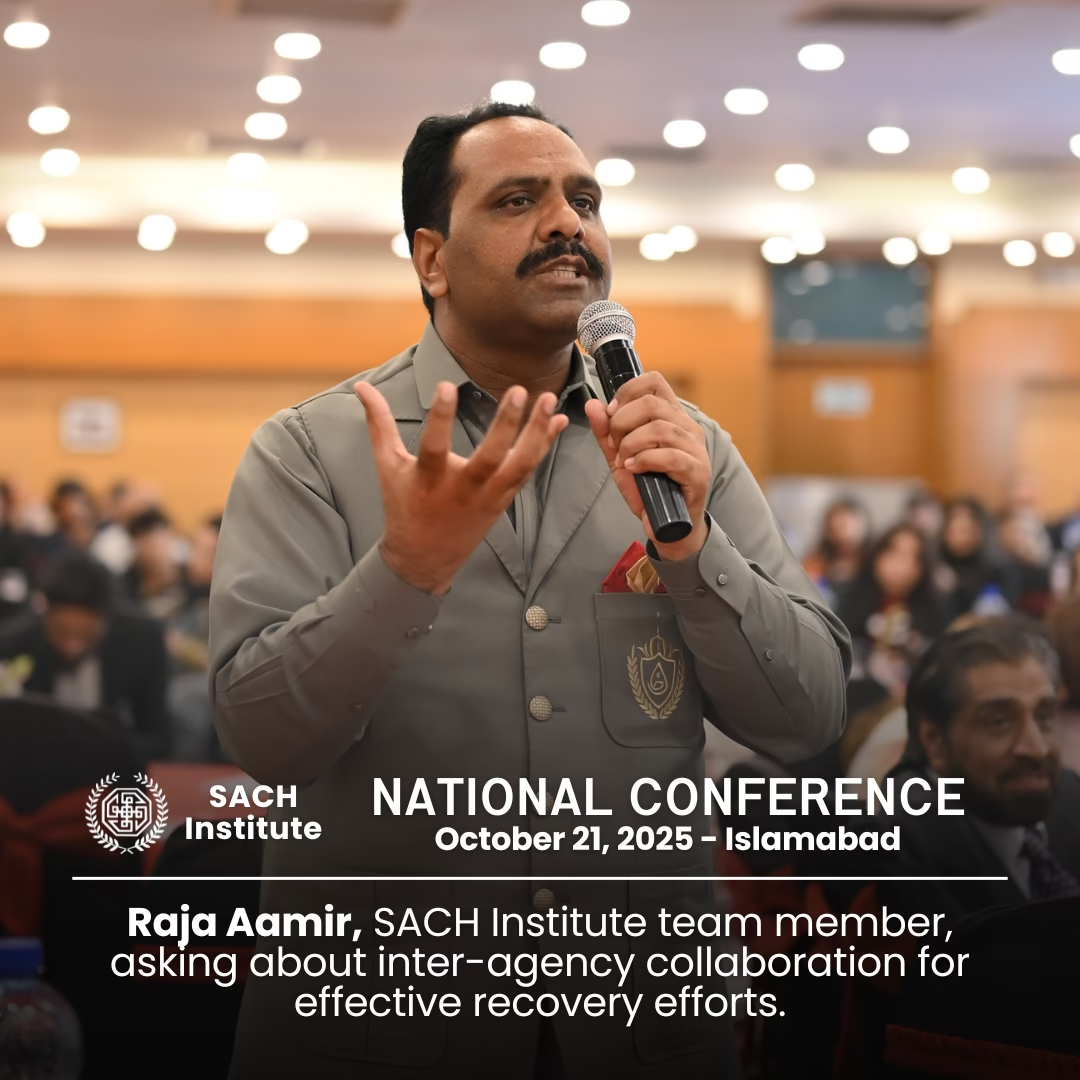
He highlighted the strategic and national security dimensions of climate change, urging stronger inter-agency coordination and national-level planning.
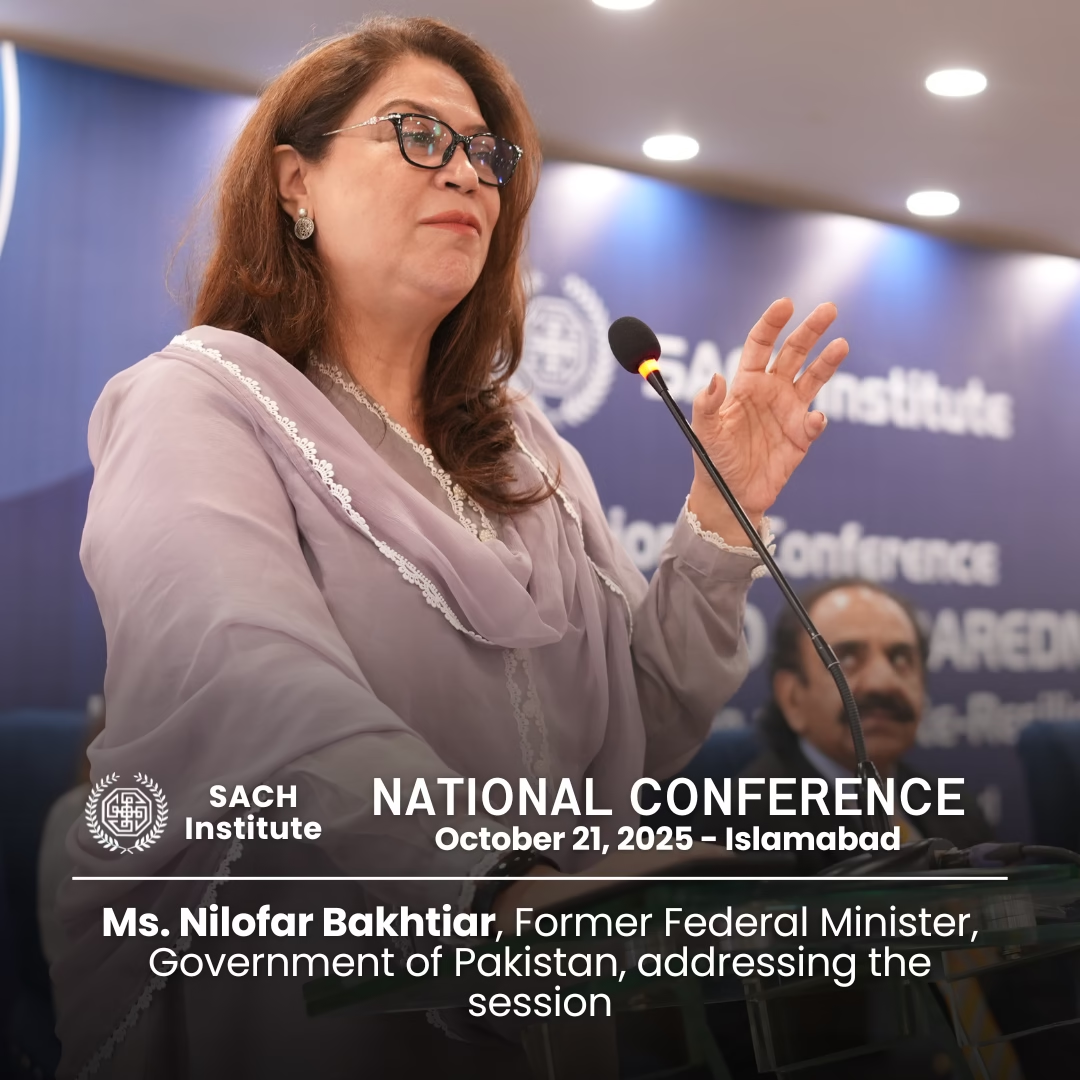
Ms. Nilofar Bakhtiar, Former Federal Minister, Government of Pakistan
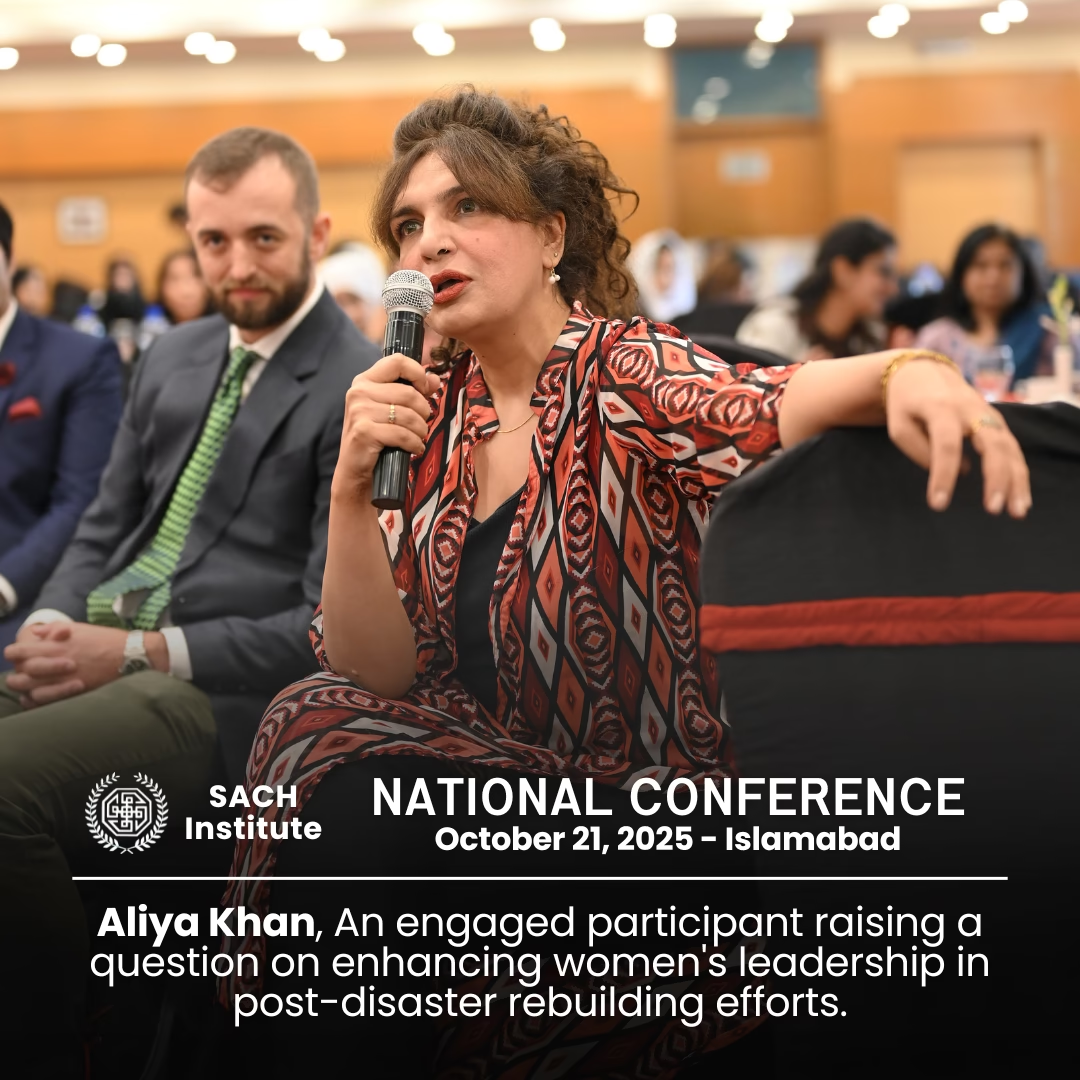
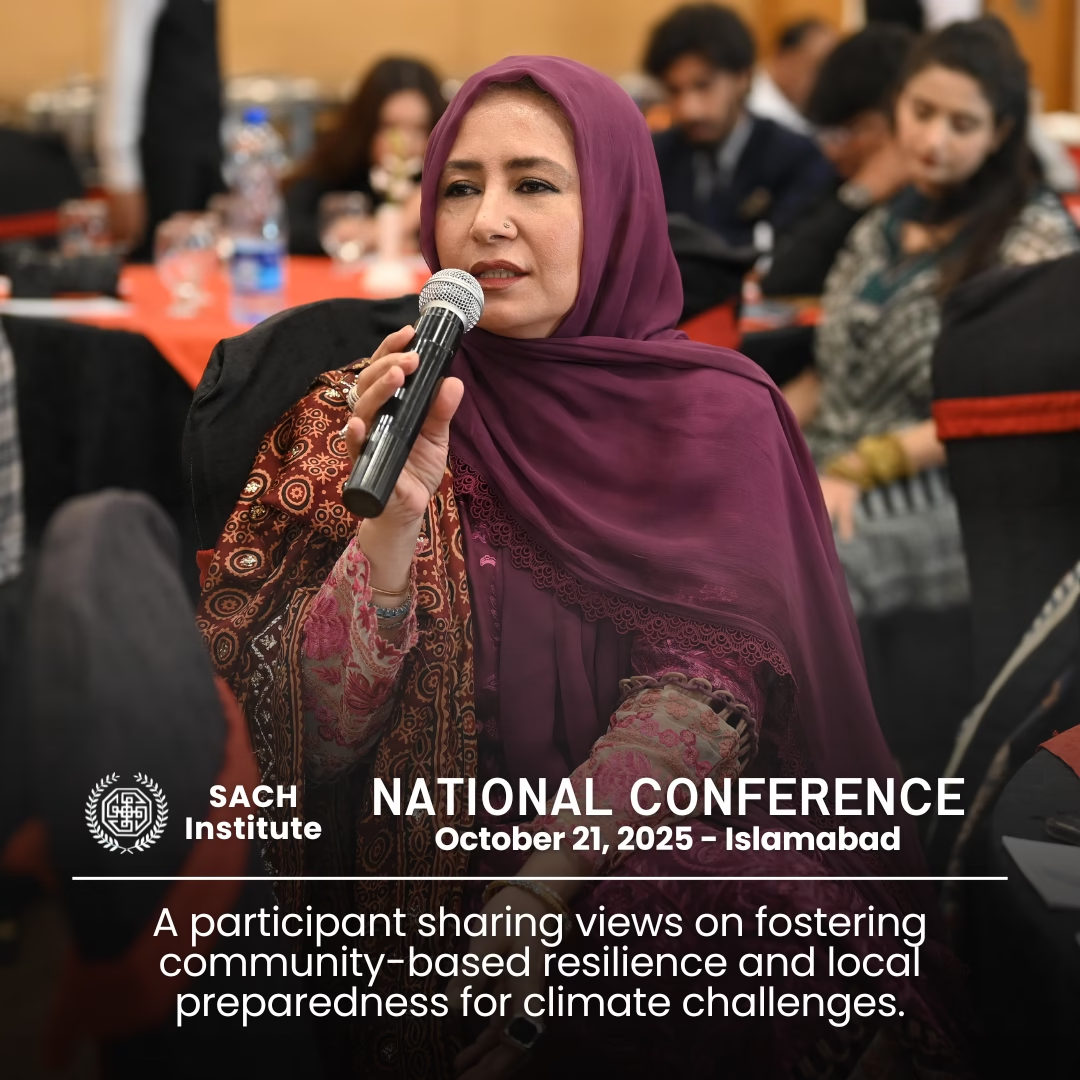
She emphasized the inclusion of gender perspectives and local communities in disaster risk reduction and resilience-building initiatives.
The session underscored that climate change is no longer an environmental concern alone, it is a national development and security imperative demanding comprehensive preparedness.
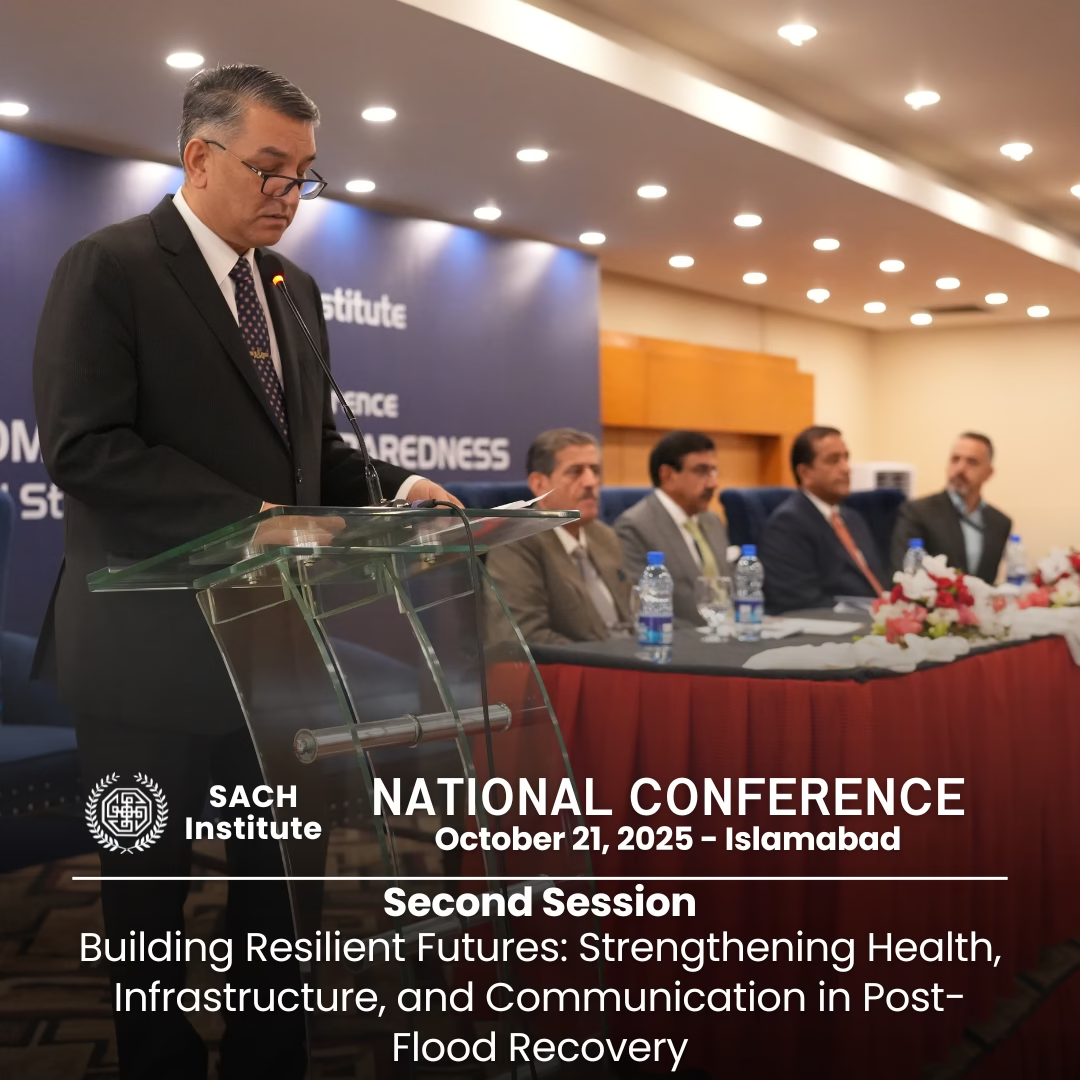
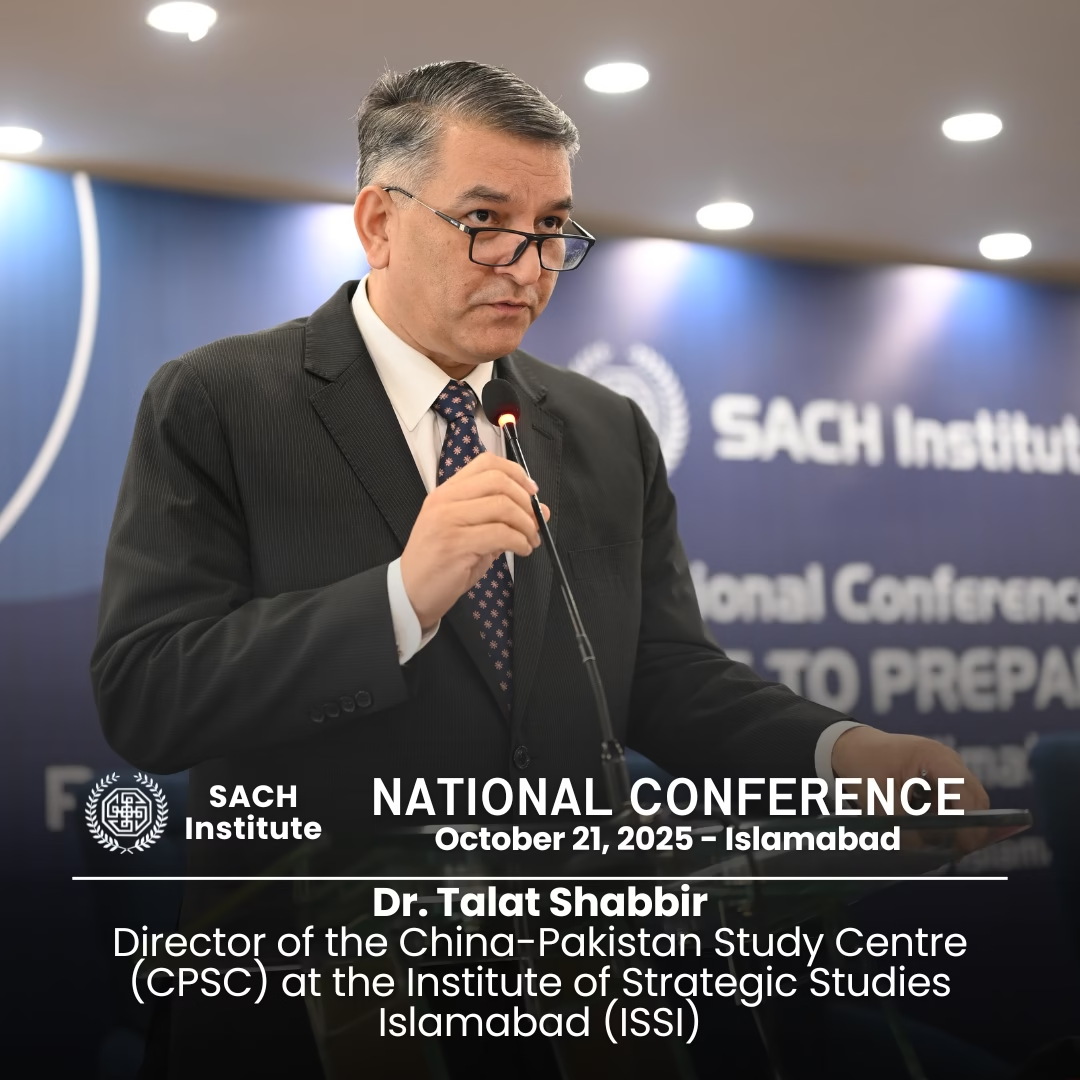
The second session featured a dynamic panel discussion moderated by Dr. Talat Shabbir, Director, China-Pakistan Study Centre (CPSC), Institute of Strategic Studies Islamabad (ISSI).
Panelists included:
Lieutenant General (R) Umar Mehmood Hayat, Former Chairman, NDMA
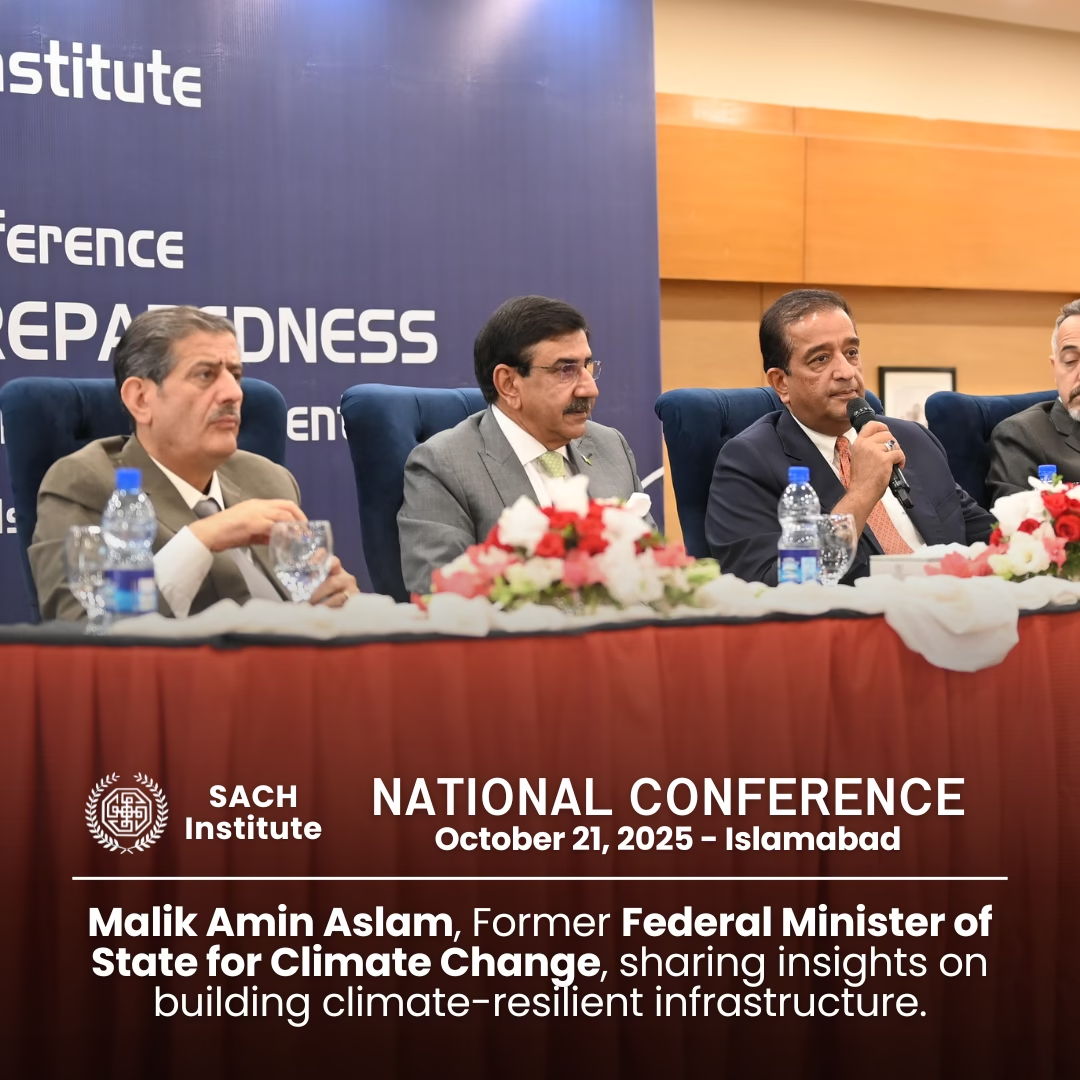
Malik Amin Aslam, Former Minister of State for Climate Change and Environmental Coordination
Dr. Baseer Khan Achakzai, Former Director General Health, Ministry of National Health Services
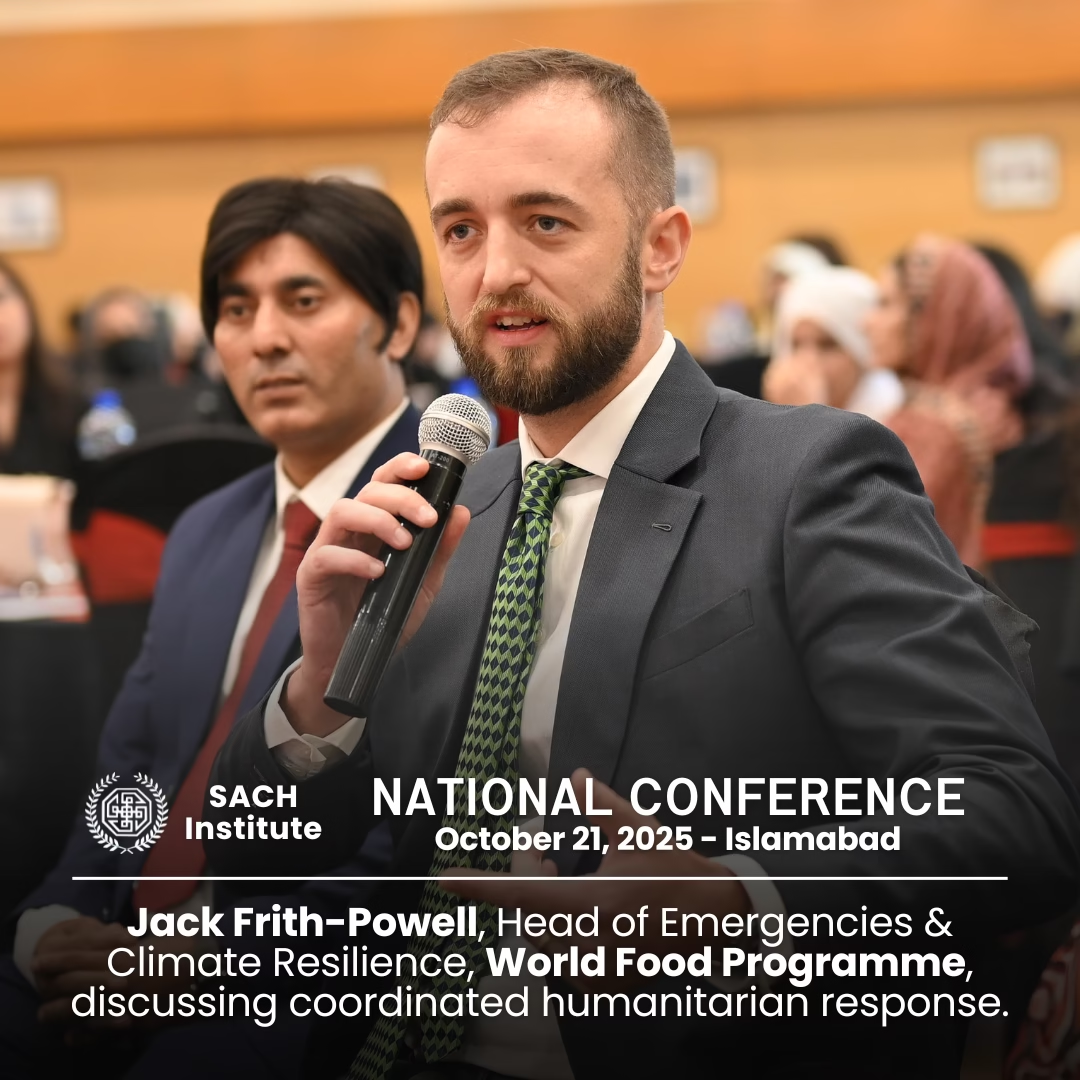
Dr. Rasheed Ahmed, Humanitarian Programme Analyst, UNFPA
The discussion examined post-flood recovery frameworks, highlighting the need for climate-resilient infrastructure, public health preparedness, and effective communication systems. The experts agreed that sustainable recovery requires long-term investments, stronger data systems, and collaboration between government, private sector, and civil society actors.
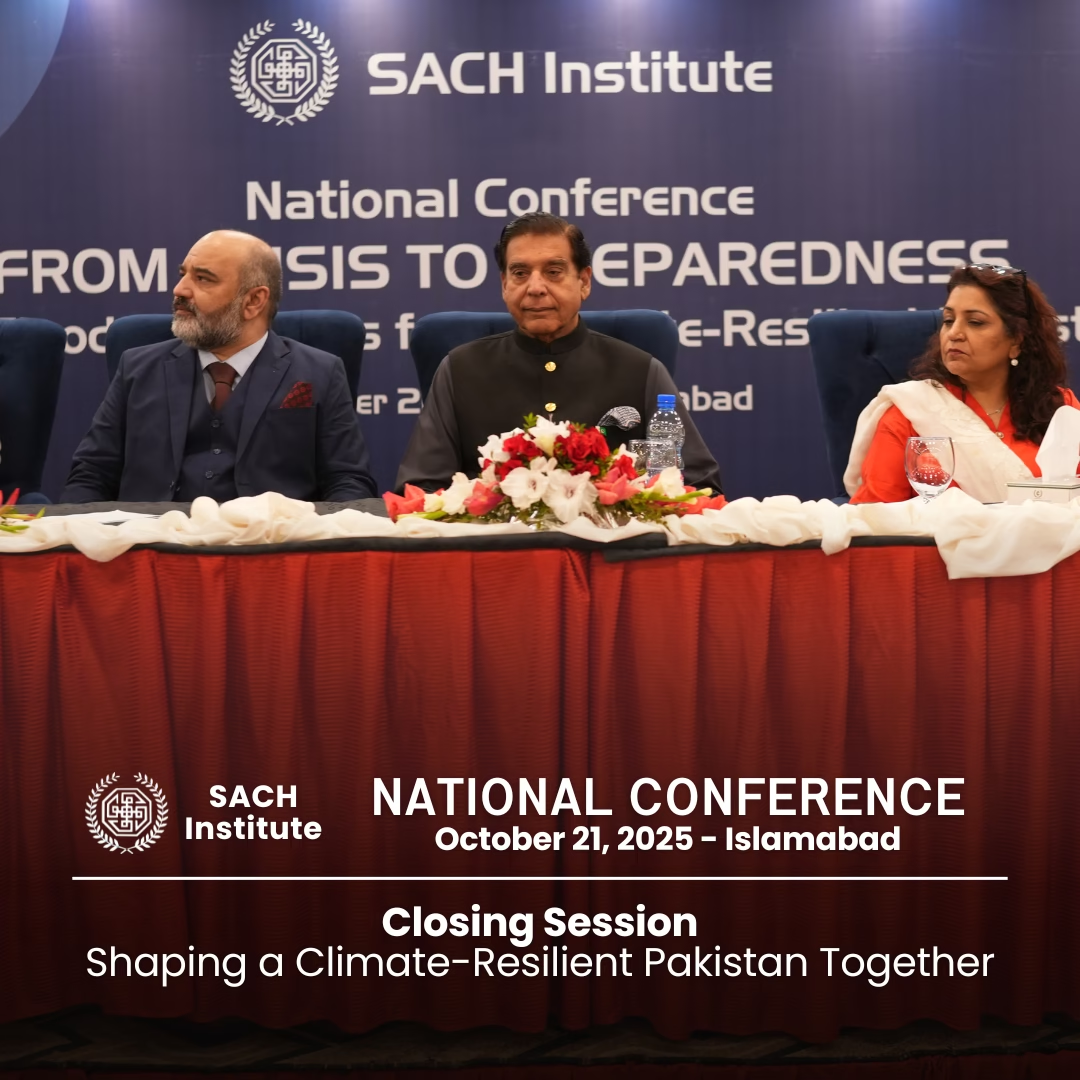
The final session focused on translating knowledge into actionable strategies.
Chief Guest:
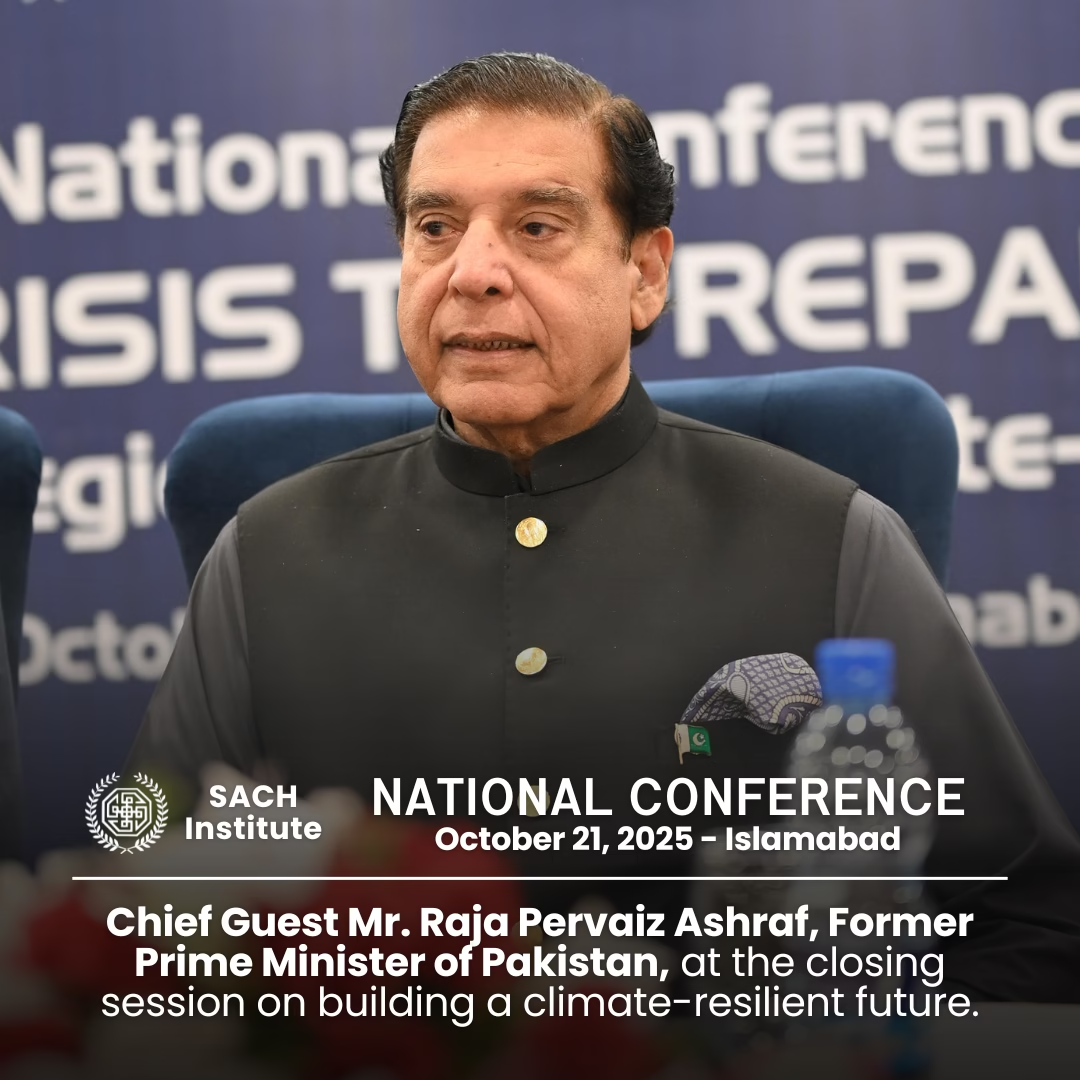
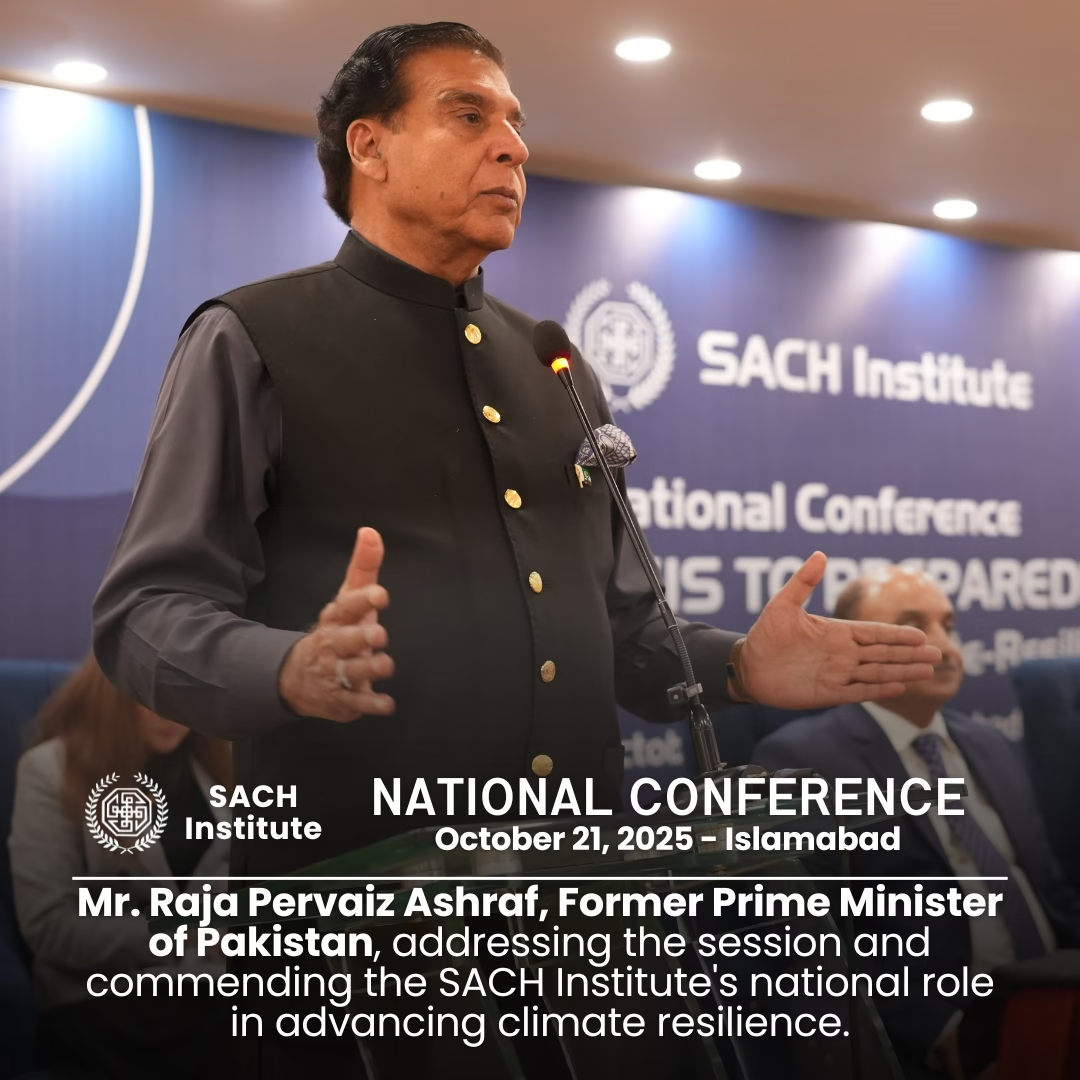
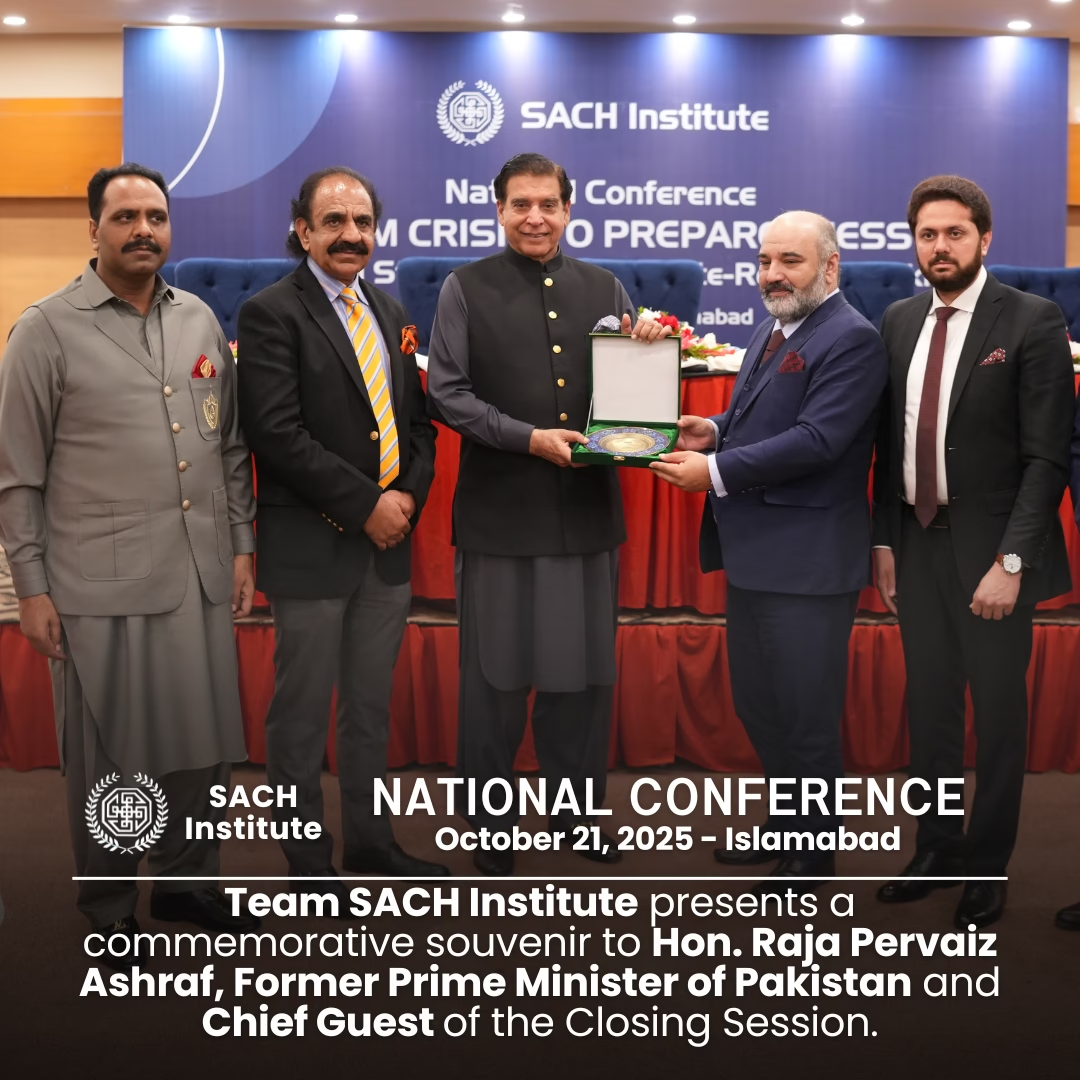
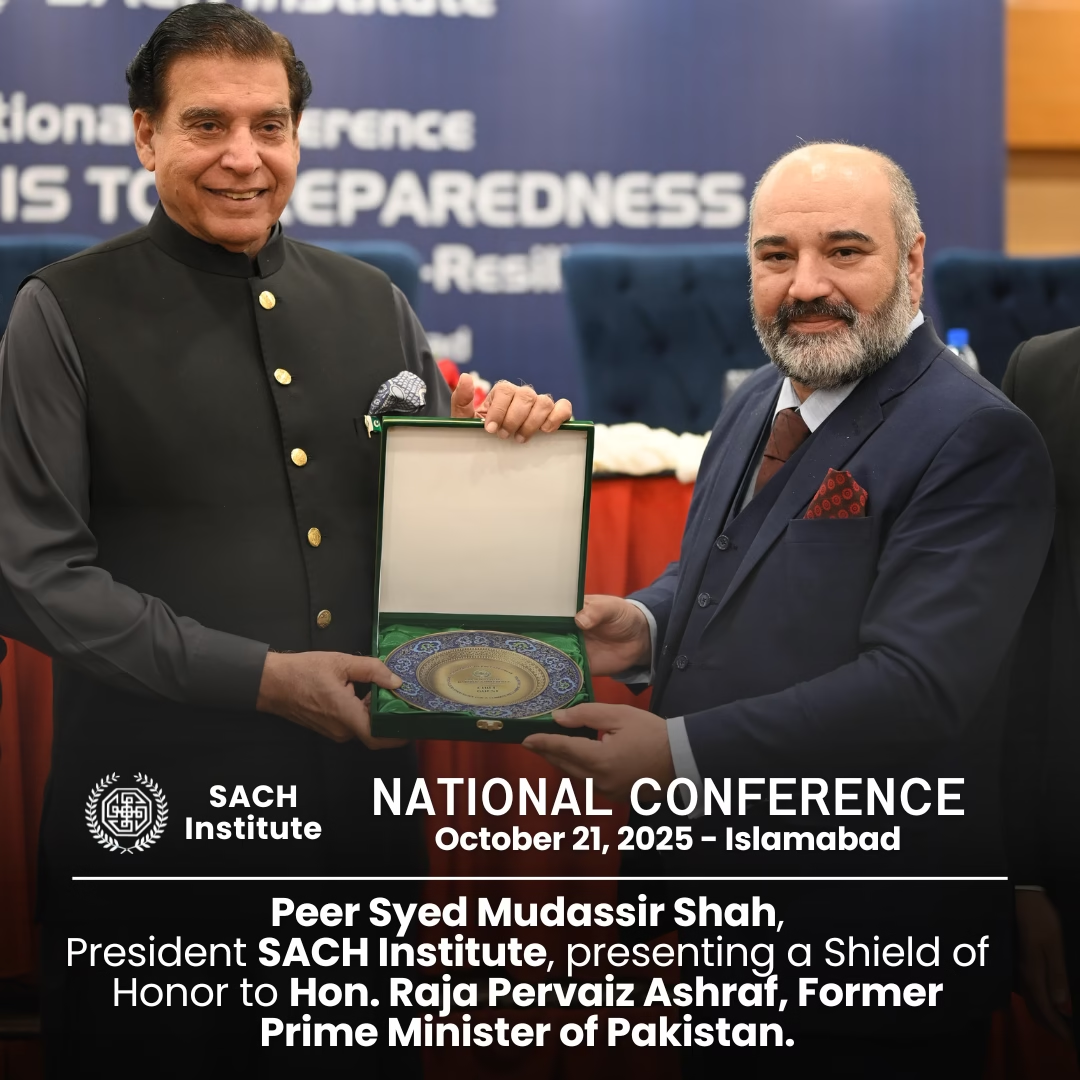
Mr. Raja Pervaiz Ashraf, Former Prime Minister of Pakistan
Speakers:
Zaheer Ahmad Babar, Chief Meteorologist, Flood Forecasting Division, Pakistan Meteorological Department
M. Tanveer Piracha, S.I. (M), Executive Director, National Institute of Disaster Management (NIDM), NDMA
Ms. Raheela Zahid, Office of the Auditor General of Pakistan, expert in project management, capacity development, and gender-inclusive disaster management
In his address, Mr. Raja Pervaiz Ashraf commended the SACH Institute for organizing a national-level conference that combined academic insight with practical policymaking. He emphasized that Pakistan’s path to resilience lies in coordinated governance, investment in preparedness, and the empowerment of local communities.
The speakers highlighted the importance of forecast-based financing, capacity development, and inclusive planningto ensure that future flood responses are efficient, equitable, and sustainable.
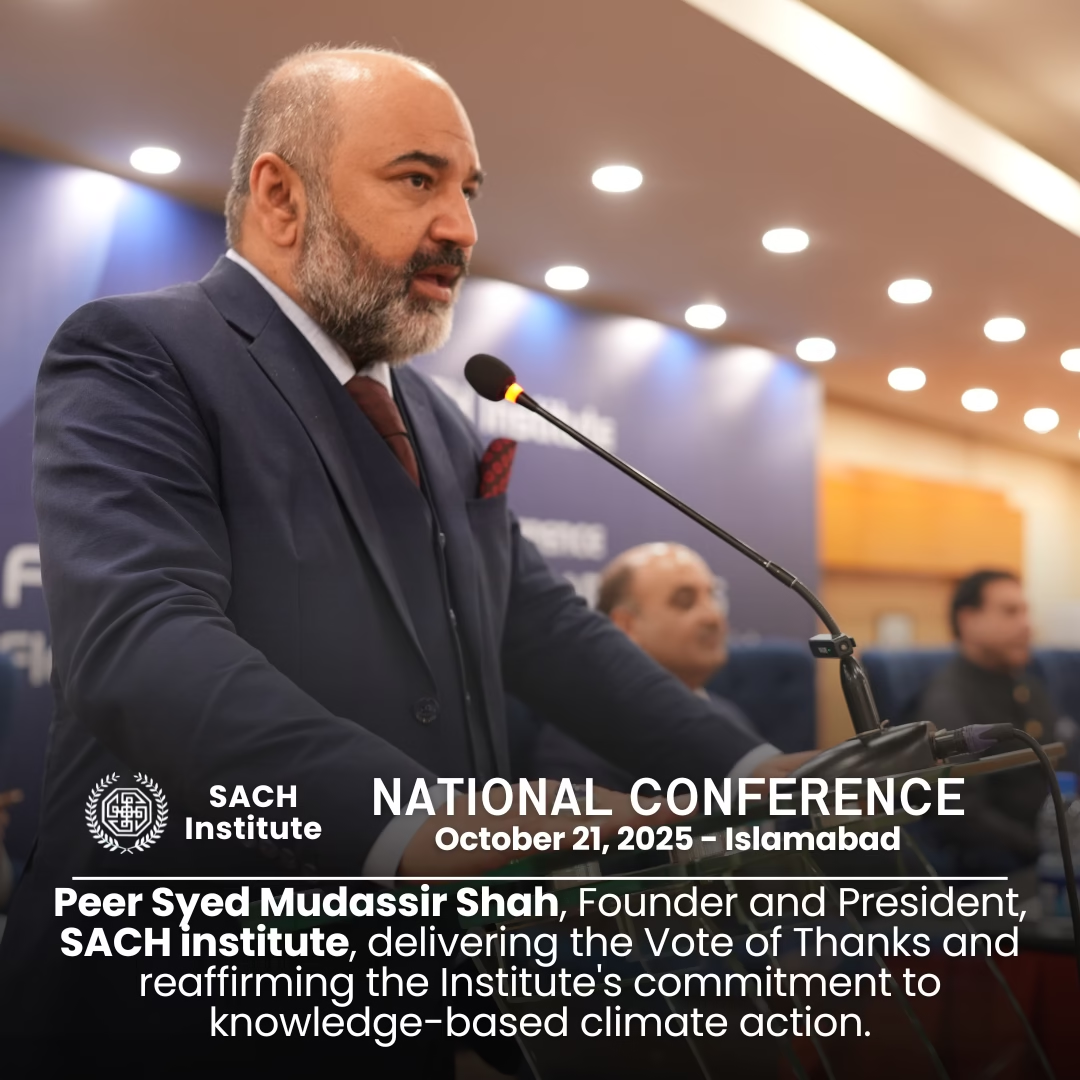
In his vote of thanks address, Peer Syed Mudassir Shah, Founder and President of the SACH Institute, expressed gratitude to all distinguished speakers, participants, and partners. He noted that the SACH Institute is not a relief organization but a policy-oriented think tank, committed to developing knowledge-based and strategic solutionsto Pakistan’s critical challenges.
He emphasized that climate resilience must be treated as a national priority, built upon collaboration, foresight, and institutional commitment. He also announced that the Institute will share detailed conference proceedings and policy recommendations with relevant government bodies, academia, and international partners.
The conference concluded with a collective resolve to strengthen policy integration, institutional preparedness, and community resilience. Participants underscored that climate adaptation and disaster management require unified national action supported by scientific research, traditional knowledge, and international cooperation.